Karijini National Park Camping Guide 2026: Gorges, Trails & Camper Trailers
Complete 2026 guide to camping at Karijini National Park with a camper trailer. Gorge grades, campground fees, WA Park Pass, water planning, seasonal guide and model comparison.
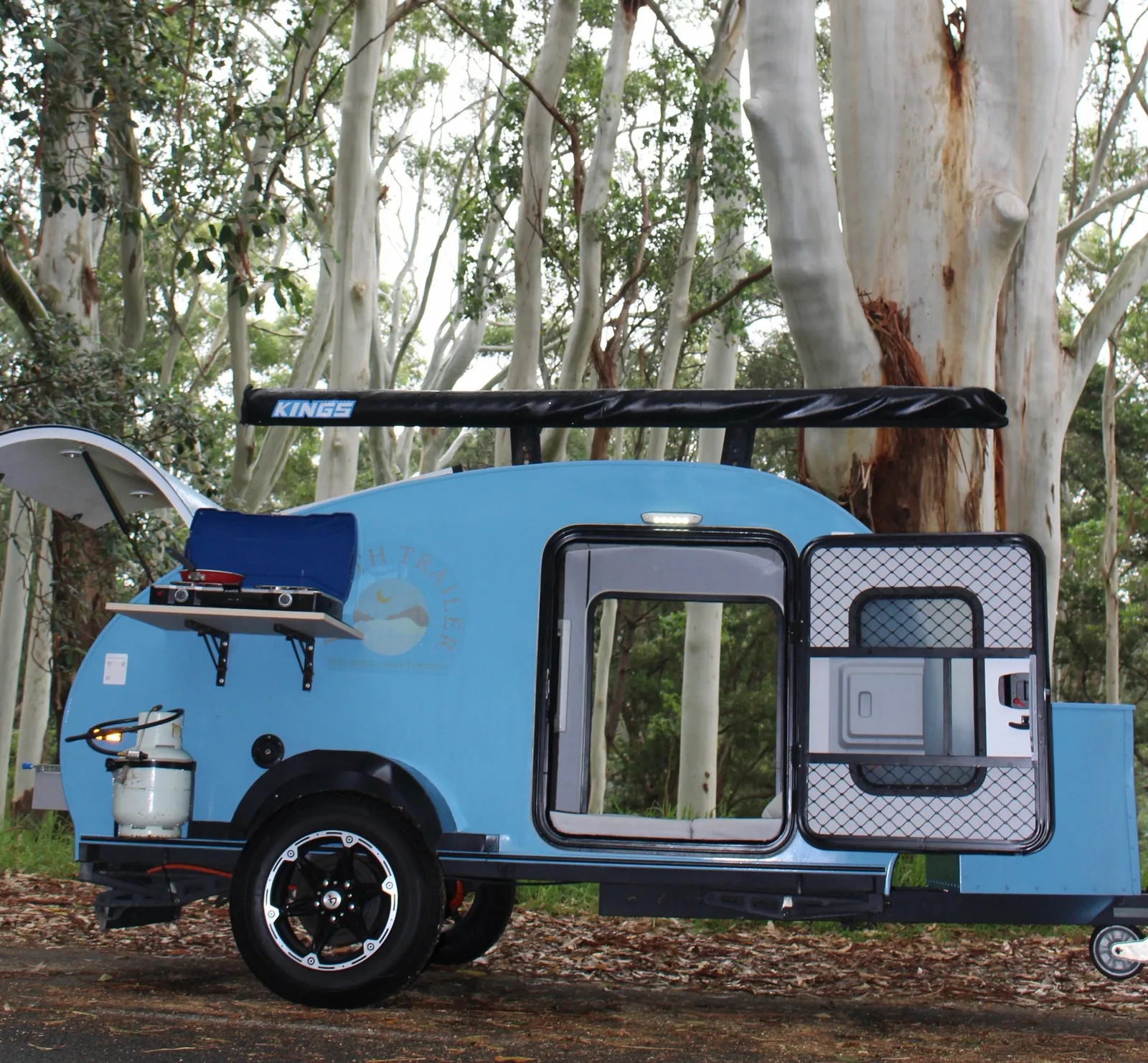
Few places in Australia stop people in their tracks the way Karijini National Park does. You drive across flat red spinifex country for hours, then the earth simply drops away — ancient iron-ore gorges slashed 100 metres deep into 2.5-billion-year-old rock, permanent waterfalls, fernlined swimming holes, and slot canyons narrow enough to touch both walls. The Pilbara was here before multicellular life existed. Spending a week in it tends to reset perspective.
Karijini spans 627,000 hectares in WA’s Pilbara region, making it the state’s second-largest national park. It draws around 100,000 visitors each year despite sitting 1,383 km from Perth — most of them in the May–September dry season when gorge swimming in cold, clear water is the perfect antidote to the red dust. This guide covers everything camper trailer travellers need to plan a first or return visit in 2026: drive times, gorge grades, campground fees, water planning, and which Breath Trailer model makes the most of a stay.
Getting to Karijini: Distances and Drive Times
Karijini is remote by any measure. Most visitors approach from the north or south via the North West Coastal Highway and then turn inland on the Nanutarra–Munjina Road.
| From | Distance | Drive time | Notes |
|---|---|---|---|
| Perth | ~1,383 km | 14–15 hrs | 2-day drive strongly recommended |
| Port Hedland | ~175 km | ~2 hrs | Nearest airport with regular services |
| Tom Price | ~85 km | ~55 min | Service hub; last fuel, food, hardware |
| Newman | ~295 km | ~3.5 hrs | Eastern approach via Great Northern Hwy |
| Exmouth | ~425 km | ~4.5 hrs | Combine with Ningaloo Reef |
| Broome | ~820 km | ~9 hrs | Northern approach |
| Carnarvon | ~610 km | ~6.5 hrs | Via Nanutarra |
Two-day drive from Perth is the standard — break at Carnarvon or Paraburdoo. The road surface is sealed all the way to Dales Campground. The only unsealed stretch inside the park is the ~50 km access track to Hamersley Gorge, which is navigable in a 2WD in dry conditions but benefits from a proper off-road suspension setup. Always carry two full-size spare tyres for any Pilbara trip.
There is no petrol inside the park. Tom Price (85 km west) is the key service stop. Fuel prices in the Pilbara regularly sit 30–40 cents above Perth prices, so budget for it in advance.
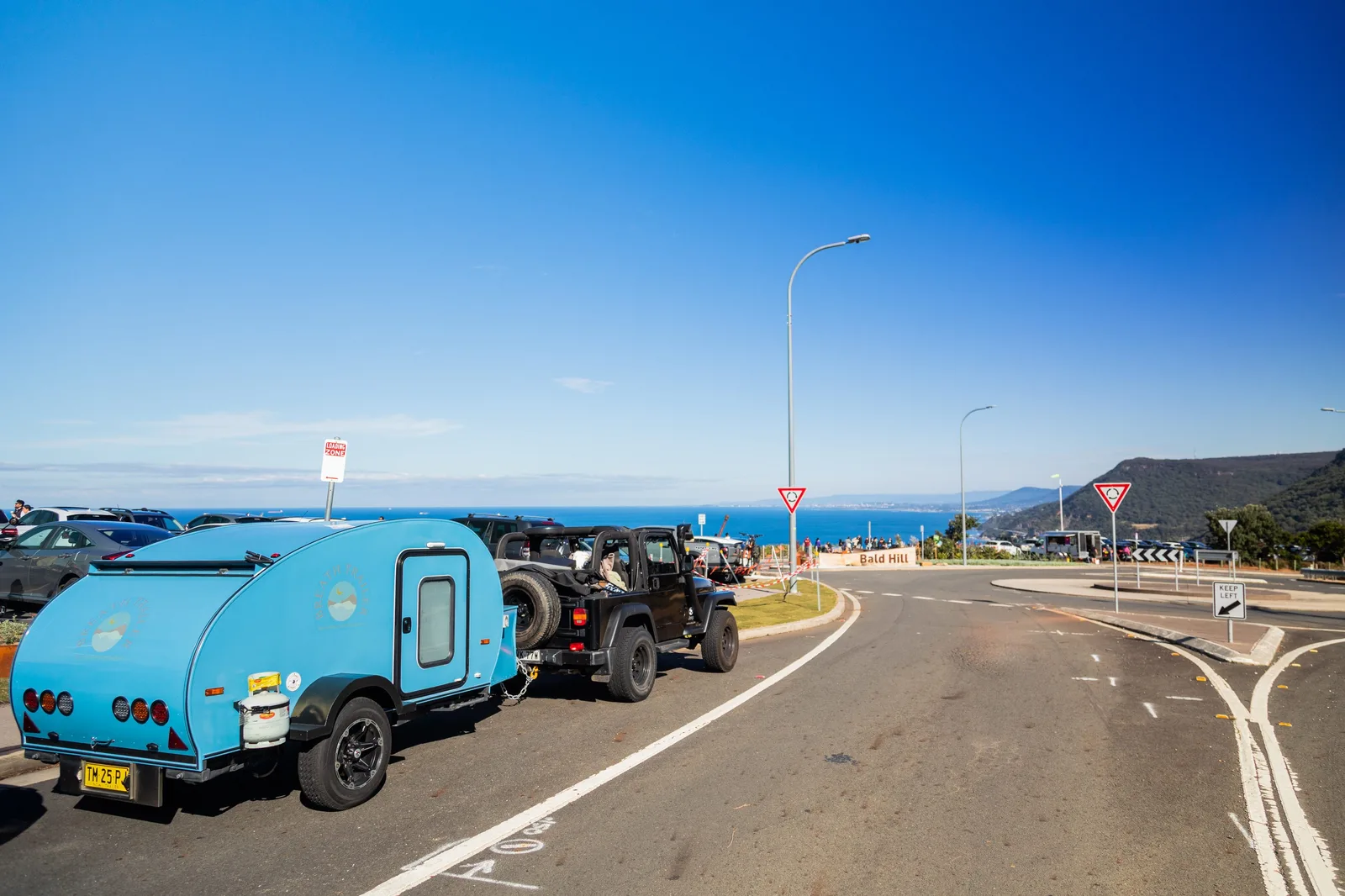
The Pilbara leg of any WA road trip rewards patience — the landscape builds slowly then delivers gorges unlike anywhere else.
Karijini’s Gorges: A Difficulty Guide
Karijini has nine major gorge systems, graded on the DBCA scale from Grade 1 (easy, formed paths) to Grade 5 (adventurous, sustained water immersion and rock scrambling). Several involve swimming through chest-deep pools — the water is cold year-round.
| Gorge / Feature | Grade | Key attraction | Swimming | Return time |
|---|---|---|---|---|
| Dales Gorge Rim Walk | 2 | Gorge overview | No | 2 km, ~1 hr |
| Fortescue Falls | 2 | Permanent 20 m waterfall | Yes | 1 km, ~30 min |
| Fern Pool | 4 | Fernlined tiered pool | Yes | 600 m, ~45 min |
| Circular Pool | 4 | Downstream swimming hole | Yes | ~1 km, ~45 min |
| Weano Gorge – Handrail Pool | 4 | Narrow slot canyon | Yes | 1.5 km, ~2 hrs |
| Red Gorge amphitheatre | 4 | Towering red walls | No | 1.5 km, ~1.5 hrs |
| Hancock Gorge – Kermit’s Pool | 5 | Full-body rock chimney | Yes | 1.5 km, ~2 hrs |
| Knox Gorge | 4 | Swimming traverse | Yes | 2 km, ~2 hrs |
| Joffre Falls | 3 | Seasonal waterfall lookout | No | 1 km, ~45 min |
| Hamersley Gorge | 3 | Spa Pool swimming hole | Yes | 50 km drive + 2 km walk |
Grade 4–5 advice: closed-toe shoes that can get wet (water shoes or trail runners), no jewellery, leave well before noon in the shoulder seasons to avoid the midday glare bouncing off white quartz. Never enter a gorge with rain in the catchment — flash floods are fast and fatal.
Hamersley Gorge sits separately from the main gorge cluster, ~50 km along an unsealed road from the main visitor area. Most visitors leave the trailer at Dales Campground and day-drive to Hamersley with just the tow vehicle. The Spa Pool there is one of the most beautiful swimming holes in Australia — worth every corrugation.
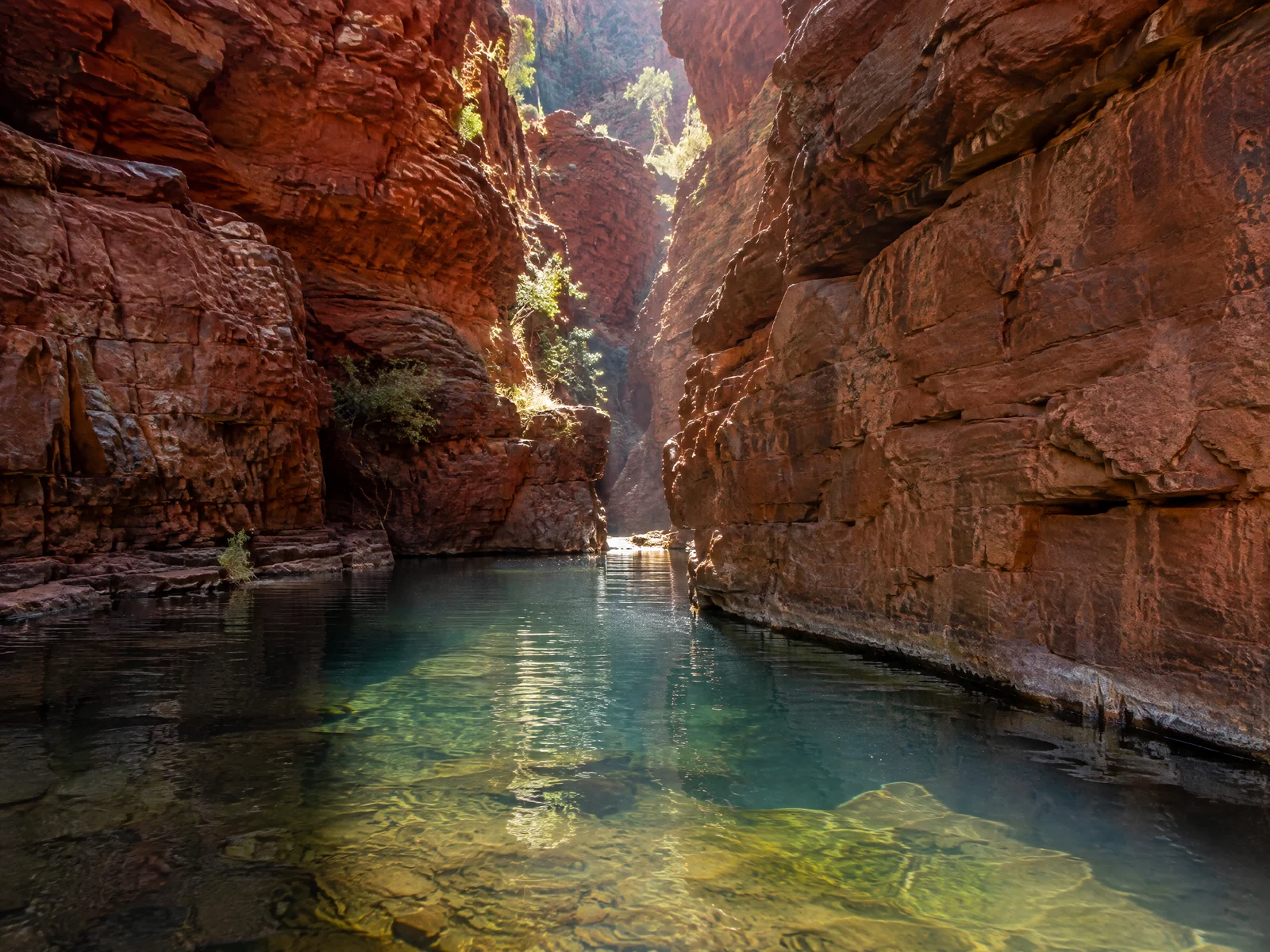
Illustration: Karijini’s gorges cut up to 100 m into 2.5-billion-year-old banded iron formation.
Campgrounds Inside the Park
Karijini has two DBCA-operated campgrounds and one private eco-retreat, all in the eastern part of the park near the Dales Gorge cluster.
| Campground | Operator | Nightly fee | Power | Key facilities | Booking |
|---|---|---|---|---|---|
| Dales Campground | DBCA | $15/adult · $10 concession · $5/child | No | Toilets, BBQs, camper trailer bays | Required — exploreparks.dbca.wa.gov.au |
| Karijini Overflow Campground | DBCA | $15/adult · $10 concession | No | Toilets only, no marked sites | Required — 2-night maximum |
| Karijini Eco Retreat | Private | From ~$40–50/night (2 adults unpowered) | No | Composting toilets, licensed café, water tap | Recommended — karijiniecoretreat.com.au |
| Tom Price Tourist Park | Private (~85 km) | ~$35–55/powered site | Yes | Full amenities, laundry, pool | Recommended for pre/post-park nights |
Dales Campground is the main option and fills quickly in peak season (July–August). It sits within 3 km of Fortescue Falls, Fern Pool and the Gorge Rim Walk — ideal for early morning gorge access before the day-trippers arrive. Camper trailer bays have room for trailers up to approximately 8 m (trailer + vehicle), but ring DBCA ahead if you have a longer rig.
Karijini Eco Retreat is 10 km west of Dales and appeals to travellers who want café breakfasts and a more curated experience. It has no mains power but operates solar; the camp kitchen and showers are a genuine luxury after a day of gorge swimming. The Eco Retreat has become extremely popular — book 3–4 months ahead for July–August.
There is no free camping inside the park. The nearest free camps are on Munjina Road outside the park boundary; they have no facilities, so self-containment is essential (see below).
Karijini Park Fees and the WA Park Pass in 2026
Park entry fees apply in addition to camping fees.
| Pass type | Price | Best for |
|---|---|---|
| Daily vehicle entry | ~$15–17/vehicle | One-day visit |
| Holiday Park Pass (4 weeks) | $30 | Short trip combining 2–3 WA parks |
| Holiday Park Pass (14 days) | $50 | Most Karijini-only trips |
| Annual All Parks Pass | $130 | Year-round WA trips / Big Lap |
The Annual All Parks Pass ($130) pays for itself on a single trip to Karijini if you are also visiting Ningaloo Reef (Cape Range NP), the Kimberley parks, or Purnululu. For a typical 5–7 night Karijini-only visit in the dry season, the 14-day Holiday Pass ($50) is the most cost-effective option.
Camping fees are charged per person, per night — separately from vehicle entry. A couple at Dales for 5 nights pays $150 in camping fees plus the park pass; a family of four pays $290 in camping fees for the same period.
Confirm all current fees at exploreparks.dbca.wa.gov.au before departure; pricing can adjust annually.
Water, Power and Self-Containment
The Pilbara is genuinely remote. There is no diesel inside the park, no phone signal at most campsites, and limited potable water.
Water: Dales Campground has no running water (confirm current status with DBCA before you go — it changes seasonally). Plan on carrying 80–100 litres minimum for a couple over 5 nights: 10 L/person/day for drinking, cooking and basic washing. The Karijini Eco Retreat has a water tap for paying guests. Tom Price is the last reliable top-up point.
Power: The park has no powered sites. A properly sized solar system — 200 W panels and 100–200 Ah LiFePO4 — runs comfortably in the Pilbara’s near-perfect winter sun (Tom Price averages 8+ peak sun hours per day in July). Desert heat can stress AGM batteries; lithium handles the temperature swings between cold nights (5–10°C in June) and hot days better.
Grey water: WA’s self-containment rules require all grey water to be stored in a sealed tank — on-ground disposal is prohibited in national parks and most crown land. If your trailer has no grey water tank, bring a portable waste tank or bladder (20–40 L), and plan to empty at Tom Price’s dump point. This rule is particularly important for free camps outside the park boundary.
Mobile reception: Essentially absent inside the park. Partial Telstra coverage appears on the Nanutarra–Munjina Road approaches. A PLB (Personal Locator Beacon) or satellite messenger (Garmin inReach Mini 2 at $599, ZOLEO from $299) is strongly recommended for any gorge entry, especially Grade 4–5 routes. The DBCA recommends notifying someone of your gorge plans before entering.
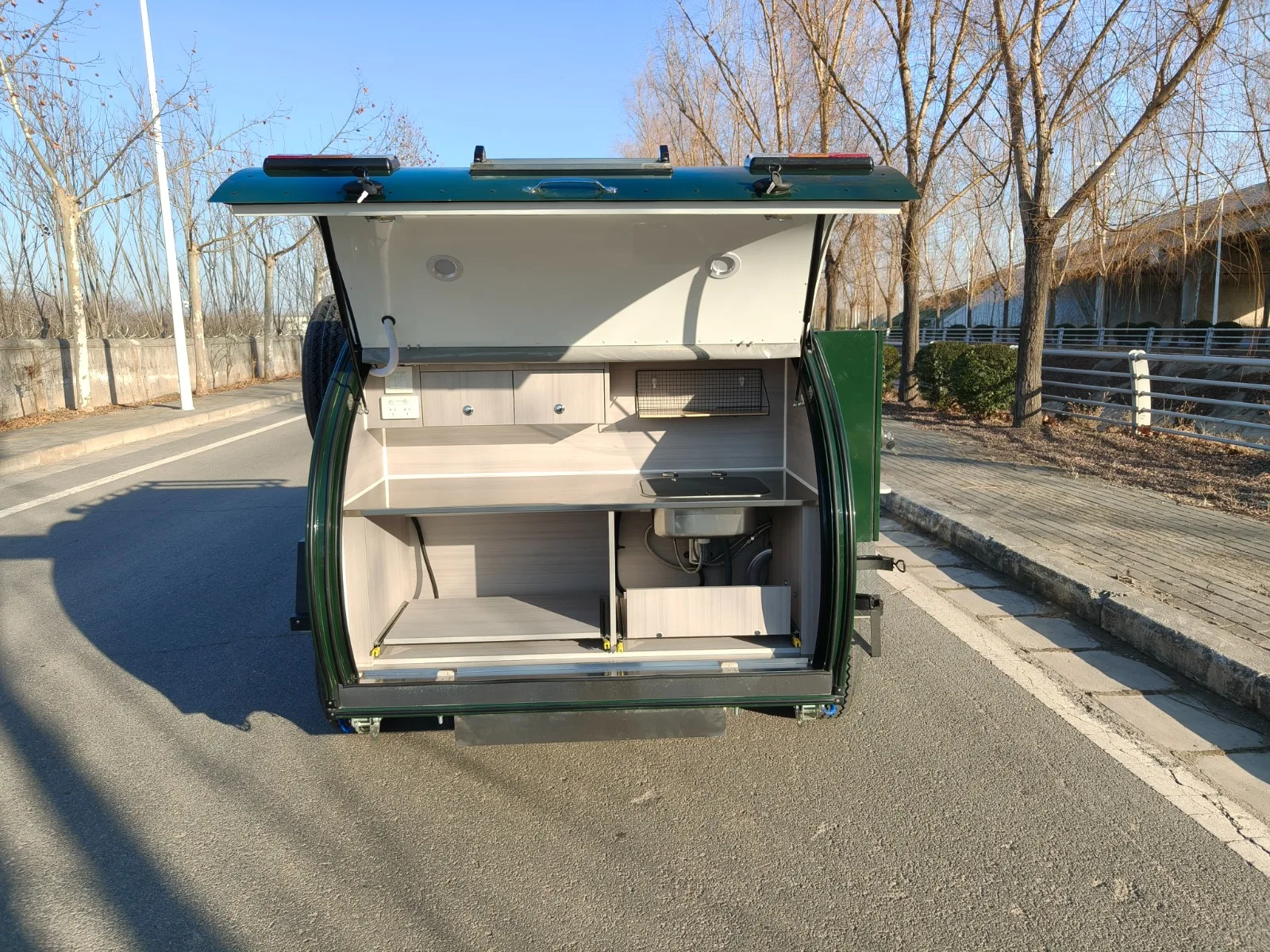
A well-equipped trailer with a 100 L water tank and lithium battery makes Karijini genuinely self-sufficient for 5–7 nights.
Taking a Camper Trailer to Karijini
Most of the park is sealed-road accessible, making Karijini one of the more camper-trailer-friendly remote destinations in WA.
Road conditions:
- Nanutarra–Munjina Road (main access): sealed, suitable for any trailer
- Banjima Drive to Dales Campground: sealed
- Weano/Hancock/Knox gorge carpark access: sealed
- Joffre Falls turnoff: sealed
- Hamersley Gorge track: ~50 km unsealed, 2WD passable in dry conditions, but corrugations can be severe — off-road suspension recommended
Practical checklist for Karijini:
| Item | Notes |
|---|---|
| Two spare tyres | Non-negotiable for Pilbara — sidewall cuts are not repairable roadside |
| Water capacity: 80–100 L | No top-up inside park; Tom Price is the last reliable fill |
| Solar + lithium battery | 200 W / 100–200 Ah covers fridge, lighting, charging comfortably |
| PLB or satellite messenger | No mobile signal in gorges or at most campsites |
| Portable grey water tank | Required for stays outside the park on crown land |
| Recovery gear | At minimum: MaxTrax + tow strap + hi-lift jack for Hamersley Gorge track |
| First aid kit | Nearest hospital: Tom Price (85 km), then South Hedland |
Gorge swimming puts wet, muddy gear through the trailer. A trailer with an external shower (the Breath Ultra and Max) is a genuine quality-of-life advantage here — rinse the red dust and gorge mud off before stepping inside.
Seasonal Guide: When to Visit Karijini
| Month(s) | Daytime temp | Conditions | Star rating |
|---|---|---|---|
| Dec–Feb | 40–50°C | Extreme heat, possible cyclone rain events | ⛔ Avoid |
| Mar | 38–44°C | Cooling, dust storms possible | ⚠️ Not recommended |
| Apr–May | 28–38°C | Comfortable warm days, cool nights | ★★★★ |
| Jun–Aug | 20–30°C | Ideal weather, peak crowds July–August | ★★★★★ |
| Sep–Oct | 26–36°C | Warming, fewer crowds than peak | ★★★★ |
| Nov | 35–42°C | Heating up rapidly | ⚠️ Late shoulder |
Best time overall: June–September. July and August deliver perfect gorge-swimming weather with cold clear water and mild air temperatures, but campgrounds fill by 8 am and need booking months ahead. April, May and September–October are the sweet spots — nearly as good, significantly fewer people, and easier last-minute bookings.
Avoid summer: The Pilbara in December–February is genuinely dangerous. Temperatures regularly exceed 45°C and gorge rocks reach 60°C+. Heat stress and flash flooding are both real risks.
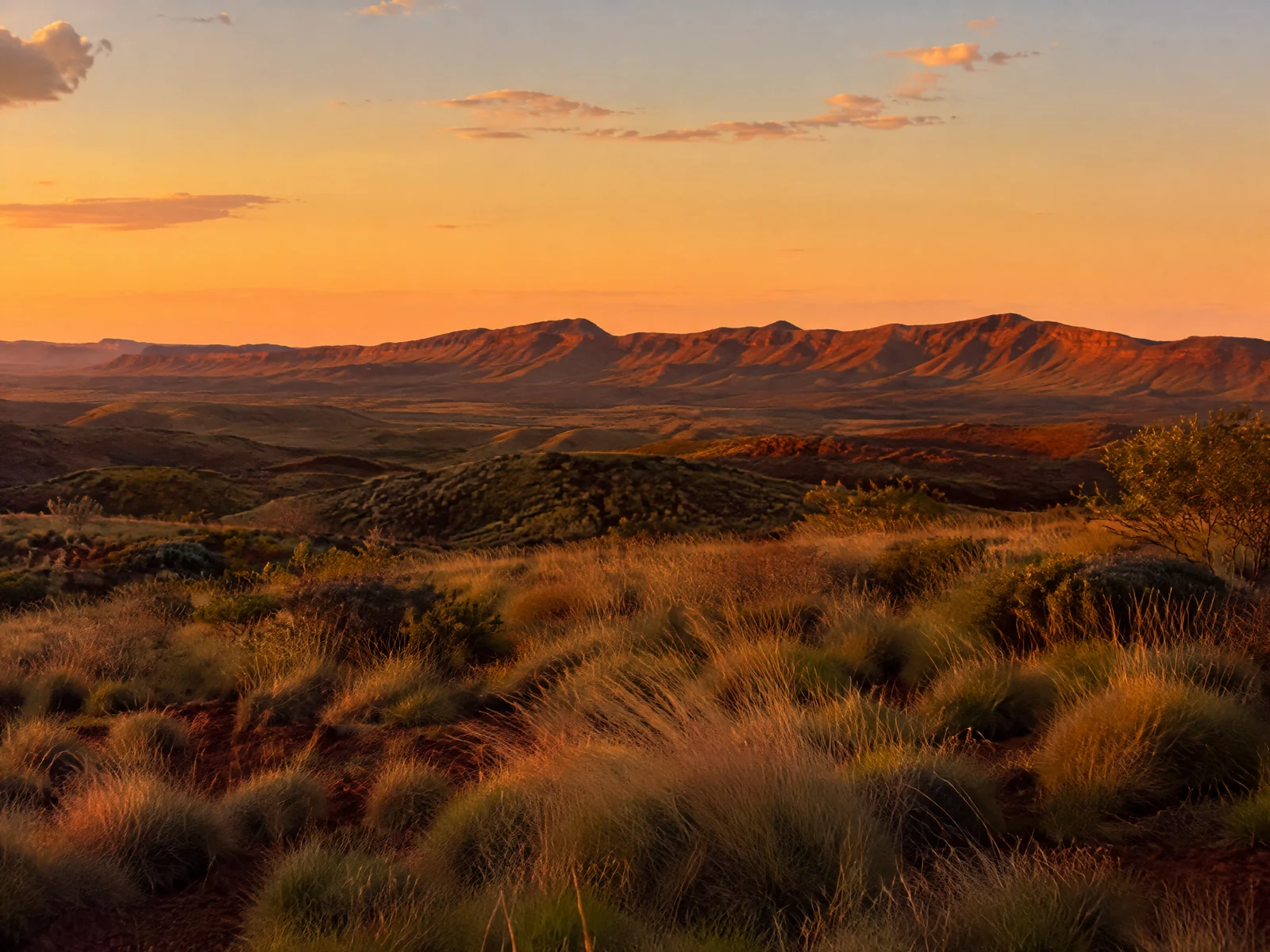
Illustration: The Pilbara’s red earth changes colour by the hour — one of the most photographed landscapes in Australia.
A 5-Night Karijini Itinerary
| Day | Activity | Distance driven | Notes |
|---|---|---|---|
| Day 1 (arrival) | Drive to Tom Price; fuel, water, groceries; set up Dales Campground | 85 km Tom Price → park | Arrive before 4 pm for sunset at gorge rim |
| Day 2 | Dales Gorge: Gorge Rim Walk + Fortescue Falls + Fern Pool | 3 km driving | Grade 2–4; early start for quiet gorges |
| Day 3 | Weano Gorge cluster: Handrail Pool + Red Gorge + Knox Gorge | 18 km driving | Grade 4; pack lunch, wet shoes |
| Day 4 | Hancock Gorge (Kermit’s Pool) + Joffre Falls | 20 km driving | Grade 5 for Kermit’s — research first |
| Day 5 | Hamersley Gorge day trip | ~100 km return driving | Leave trailer at Dales; 2WD ok in dry conditions |
| Day 6 (depart) | Pack camp, fill water at Eco Retreat, depart Tom Price | 85 km park → Tom Price | Top up fuel before long drive |
5-night budget (couple, Dales Campground):
| Item | Cost |
|---|---|
| DBCA camping (2 adults × 5 nights × $15) | $150 |
| WA Park Pass (14-day Holiday Pass) | $50 |
| Tom Price fuel (arrival + Hamersley day trip) | ~$130 |
| Tom Price groceries (5 nights) | ~$180 |
| Total | ~$510 |
This assumes a self-contained trailer with no need for caravan parks. A couple travelling with a full-size caravan and needing powered sites would typically pay $35–55/night at Tom Price Tourist Park instead of DBCA camping rates, adding ~$175–275 for five nights.
Which Breath Trailer Model Suits Karijini?
All four Breath Trailer models can reach Dales Campground and the main gorge cluster on sealed roads without modification. The differences show up in comfort and self-sufficiency over a 5–7 night stay.
| Model | Tare | ATM | Bathroom | Water | Solar | Karijini rating | Best use |
|---|---|---|---|---|---|---|---|
| Essential | 700 kg | 850 kg | No | 45 L | 120 W | ★★★ | Short 2–3 night trips, nearby caravan park access |
| Plus | 800 kg | 1,050 kg | No | 80 L | 200 W + 100 Ah LiFePO4 + fridge | ★★★★ | 4–5 nights self-sufficient at Dales |
| Ultra | 900 kg | 1,200 kg | No (external shower) | 80 L | 200 W + 100 Ah LiFePO4 + fridge | ★★★★★ | 5–7 nights; external shower for gorge/dust days |
| Max | 1,200 kg | 1,700 kg | Yes (full ensuite) | 100 L | 200 W + 100 Ah LiFePO4 + fridge | ★★★★★ | Multi-week stays; morning shower, free camping capable |
The Breath Ultra is the sweet spot for Karijini. Its external shower is transformative when you return from a day of gorge swimming in red dust and mud — a two-minute rinse before climbing into the trailer keeps the interior clean across a week-long stay. The 80 L water tank with careful management covers 5 nights without a refill.
The Breath Max is the choice for travellers doing a broader Pilbara–Kimberley loop who want to extend to remote free camps without needing dump points. The full interior bathroom eliminates the single biggest comfort gap on a 3–4 week Pilbara trip — no 10 pm walks to distant toilet blocks, no shared ablutions with 80 other campers during peak season. At $42,900, it is the only teardrop trailer on the Australian market under $50,000 with a full interior bathroom.
If you’re planning a Big Lap that routes through the Pilbara, Karijini pairs beautifully with Ningaloo Reef to the west and the Kimberley to the north — both within a day’s drive.
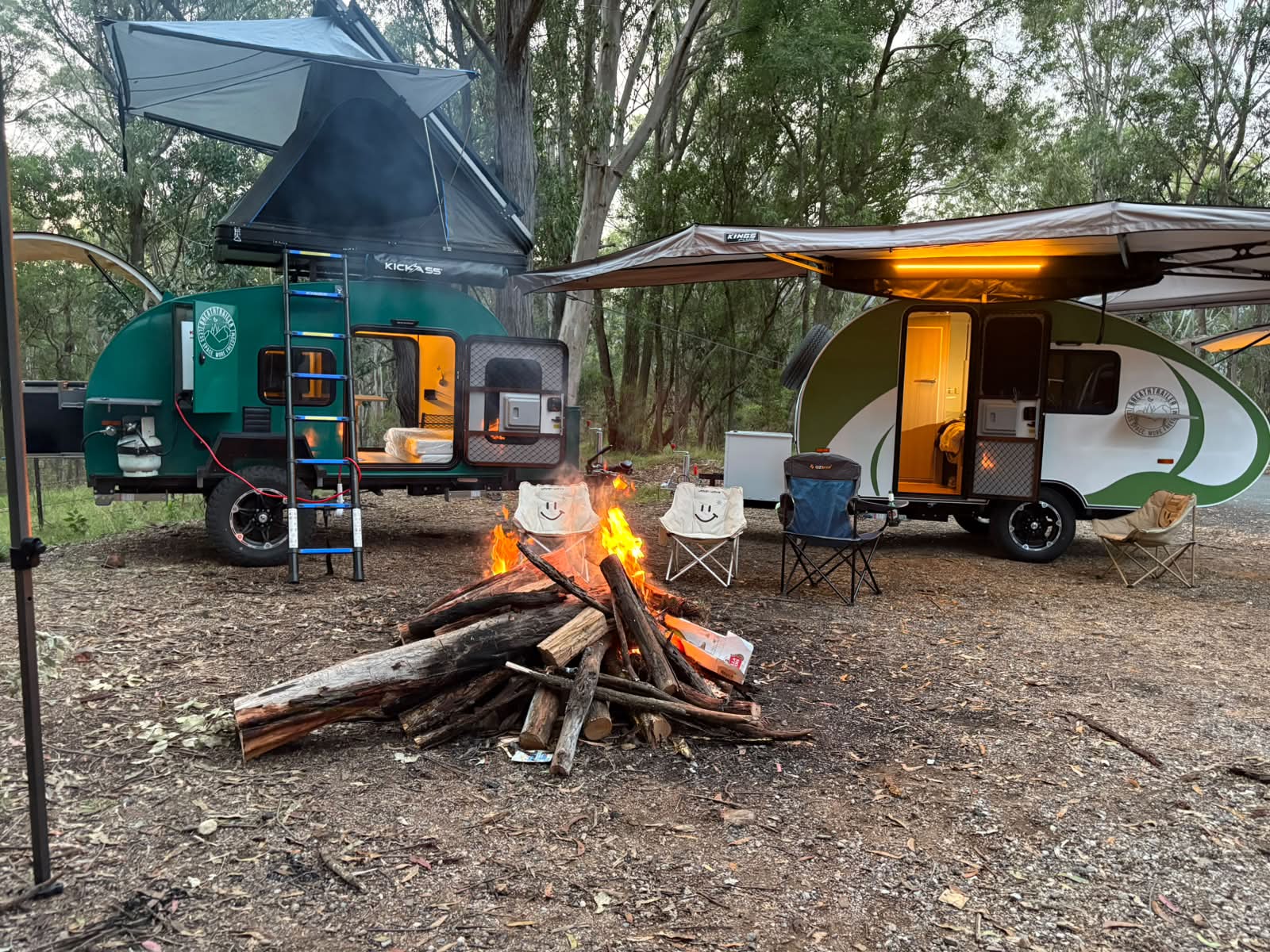
Karijini evenings belong to the campfire — the Milky Way from the Pilbara desert is among the best in Australia.
FAQ
Do I need 4WD to visit Karijini National Park? No — most of the park including Dales Campground, Weano, Hancock, Knox, and Joffre Falls are all accessible on sealed roads in a 2WD. The exception is the Hamersley Gorge access track (~50 km unsealed). In dry conditions it is technically 2WD passable but corrugations can be rough; a high-clearance vehicle is preferred and a full-size spare is essential.
Can I tow a caravan or camper trailer to Karijini? Yes, to all the major sealed-road areas. Dales Campground accommodates camper trailers; ring DBCA ahead for site availability and length limits. The Hamersley Gorge track is not recommended for caravans — leave the trailer at Dales and drive the tow vehicle only.
When do Karijini campgrounds book out? July and August are the peak months — Dales Campground and Karijini Eco Retreat both fill 3–4 months ahead. April–May and September–October are significantly easier to book at shorter notice. Karijini Overflow Campground has a 2-night maximum stay and is only available when Dales is full.
Is there phone signal at Karijini? No reliable signal inside the park. Some coverage appears on approach roads. A PLB or satellite messenger (Garmin inReach, ZOLEO) is strongly recommended, particularly for Grade 4–5 gorge entries. Always inform someone of your itinerary before entering.
Is Karijini suitable for families with young children? Fortescue Falls (Grade 2) and the Dales Gorge Rim Walk (Grade 2) are excellent with children. Grade 4–5 gorges require swimming through pools and sustained scrambling — not suitable for young children or non-swimmers. The Eco Retreat lawn area is a good base for mixed-ability family groups.
How much water should I carry in my camper trailer? Plan for 10 litres per person per day: 5 days for a couple requires 100 litres. Dales Campground may not have potable water (confirm with DBCA before departure). Tom Price is the last reliable fill point, 85 km from the campground. The Karijini Eco Retreat has water available for guests.
Recommended Reading
- Best Camping Spots in Western Australia — Camper Trailer Guide
- Ningaloo Reef Camping Guide 2026
- Kimberley Camping Guide — Gorges, Dirt Roads and Crocodiles
- How Much Solar Do You Need for a Camper Trailer?
- Must-Have Accessories for Off-Road Adventures in Australia
Karijini rewards patience and preparation. The drive is long, the logistics require thought, and the summer season is genuinely off-limits. But arrive in June with a fully self-contained trailer, a good solar setup and a Garmin inReach clipped to your pack, and the Pilbara delivers some of the most extraordinary camping in Australia — gorges you can swim through, skies you can’t photograph, and a stillness that is hard to find anywhere closer to the coast.
Ready to plan the trip? Compare all four Breath Trailer models or book a viewing at your nearest ambassador location to talk through Pilbara-ready setups.