Winter Camping with a Teardrop Camper in Australia (2026 Guide)
Condensation, heating, cold-weather batteries, winter solar output, alpine road closures, and the best winter destinations by state. Complete 2026 guide.
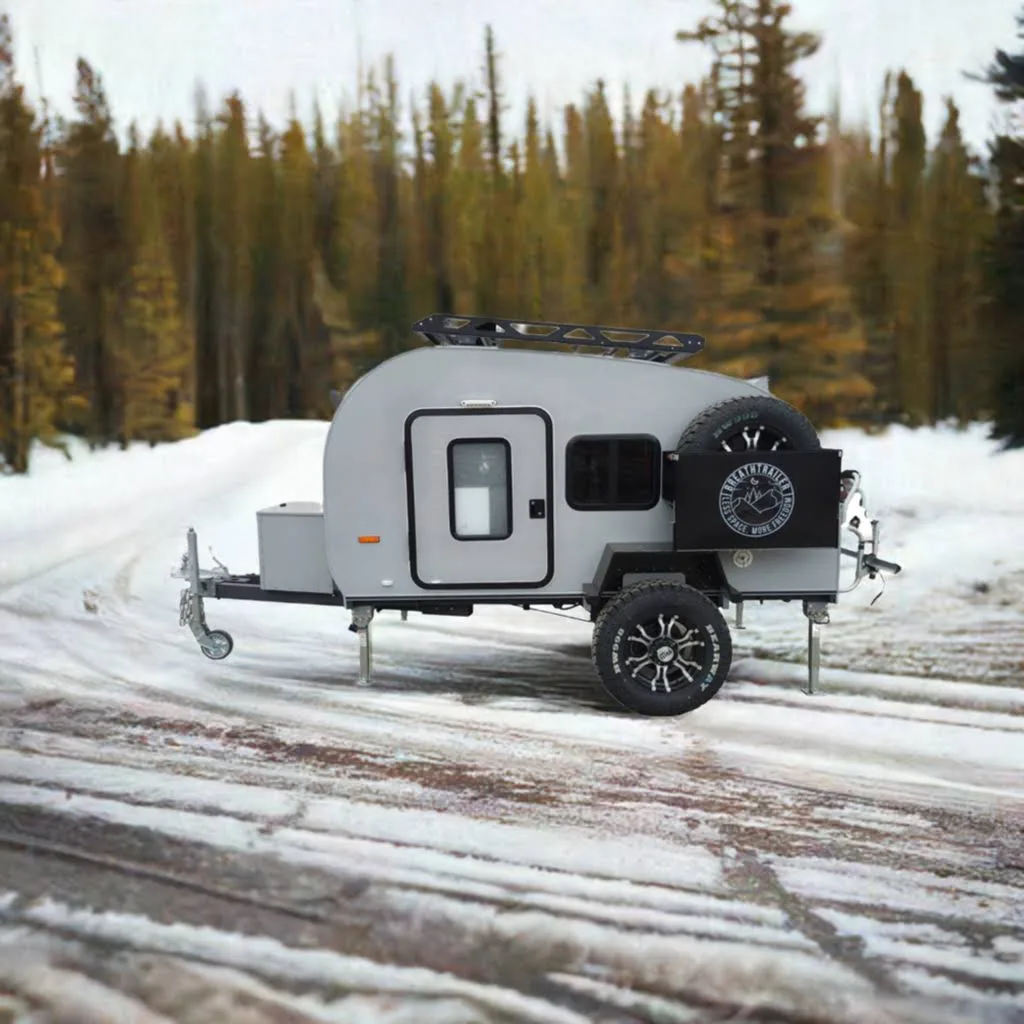
Winter camping with a teardrop camper in Australia is one of the most underrated adventures you can take. While millions of Australians pack away their gear in June, the travellers who don’t are rewarded with empty national parks, cooler temperatures for hiking, and — across the top half of the country — the best weather of the entire year. This 2026 guide covers everything you need to know: condensation control, heating options, cold-weather battery performance, reduced winter solar yield, alpine road closures, and a state-by-state destination breakdown.
Why Winter Is (Surprisingly) the Best Time to Camp Across Most of Australia
The Australian calendar inverts northern-hemisphere intuitions. For Queensland, the Northern Territory, Western Australia, and South Australia — which together cover more than 75% of the continent’s landmass — the period from May to September is the dry season: no humidity, minimal rain, mild nights, and dramatically fewer crowds than the summer school holiday rush.
The south tells a different story. Victoria, New South Wales, and Tasmania experience genuine cold, with temperatures in the alpine areas dipping well below zero and occasional snow at elevation. This is not a reason to stay home — it’s a reason to camp below the alpine closure zones in the scenic foothills and valleys, where you get dramatic landscapes, waterfalls at full flow, and campgrounds running at 20–30% of their summer capacity.
The hard-shell teardrop advantage in winter is significant. Canvas campers and soft-floor folding trailers suffer in cold, wet weather: canvas absorbs moisture, requires reproofing after each wet trip, and can develop mildew within days if packed away even slightly damp. A hard-shell teardrop camper has none of these weaknesses. The fibreglass or composite shell sheds rain, resists mildew, and provides a meaningfully better thermal envelope than canvas — typically R1.5–R2.5 versus near-zero for canvas walls.
Condensation: The #1 Winter Complaint (and How to Beat It)
Condensation is the most common winter camping complaint, and it affects every enclosed sleeping space — tent, van, or teardrop. The physics are simple: warm air from your breath and body heat meets the cold interior surface of the shell and deposits moisture. A couple sleeping in a small space produces up to half a litre of water vapour overnight.
Why hard-shell is better (but not immune)
A composite hard shell has better thermal mass than canvas, so its interior surface temperature stays closer to your sleeping temperature, reducing the dew-point differential. That narrows the condensation window. But it doesn’t eliminate it in cold conditions.
The five-step condensation protocol
- Crack a vent every night, no matter how cold it is. Even 5–10 mm of opening allows moisture-laden air to escape. Running a diesel heater without any ventilation will accelerate condensation, not reduce it.
- Keep a small microfibre cloth in reach. A 30-second wipe-down of windows and surfaces before sleep, and again on waking, prevents drips from soaking gear.
- Dry sleeping bags before departure. A damp sleeping bag loses insulating loft. Hang it for 10–15 minutes in the morning sun before packing.
- Use a small silica gel dehumidifier sachet (rechargeable, $15–25 from hardware stores) inside the trailer when parked for more than a day in cold, wet conditions.
- Don’t cook inside. Boiling water inside a sealed space can dump 200–400 mL of steam into the cabin in minutes. Use the rear galley or an awning kitchen setup even in rain.
Heating Your Teardrop: Five Options Compared
Heating is the decision that most defines your winter camping experience. The table below compares the five realistic options for an Australian teardrop camper in 2026.
| Heating option | Approx. cost (installed) | Off-grid capable? | Output | Moisture added? | Best for |
|---|---|---|---|---|---|
| Chinese diesel heater (e.g. Vevor, Vevor Pro) | $70–250 DIY install | Yes — ~0.25 L/hr diesel | 1–5 kW | No | Budget overlanders, weekend trips |
| Premium diesel heater (Webasto Air Top 2000 STC, Espar Airtronic S3) | $1,700–2,600 installed | Yes — ~0.2–0.3 L/hr diesel | 2 kW | No | Extended touring, quiet operation |
| 12V electric blanket | $50–120 | Yes — ~25–50 W draw | Direct body warmth only | No | Mild nights, supplement to other heat |
| Gas heater (portable LPG) | $80–200 unit only | Yes — LPG bottle | 2–4 kW | Yes (combustion) | Short stays; requires ventilation per AS/NZS 5601.2 |
| 240V fan heater (caravan parks only) | $30–100 unit | No — shore power only | 1–2.4 kW | No | Caravan park nights only |
For off-grid winter camping, the diesel heater is the clear answer. It runs on a small auxiliary diesel tank (1–2 L gets you through a cold night), adds no moisture to the air, and sips just 10–12 W of 12V power at cruise — manageable even on the Breath Essential’s 24Ah battery for short trips.
The premium brands (Webasto, Espar) are quieter than Chinese imports and have longer service lives, but either option transforms the winter experience. Budget $200–300 for a quality Chinese unit plus a fitting kit, or $1,700–2,600 installed for a Webasto at a reputable workshop.
See also: our full comparison of diesel heaters vs air conditioning for camper trailers covering eight brands side by side.
Cold-Weather Battery Performance: What Actually Changes
LiFePO4 lithium batteries — the chemistry in every Breath Trailer — behave differently in cold weather than they do on a warm summer afternoon. Understanding the changes prevents nasty surprises on a frosty alpine morning.
Discharge capacity at temperature
| Battery temperature | LiFePO4 capacity retained | AGM capacity retained |
|---|---|---|
| 25°C (reference) | 100% | 100% |
| 10°C | ~98% | ~90% |
| 0°C | ~95% | ~75% |
| −10°C | ~80% | ~55% |
| −20°C | ~65% | ~35% |
LiFePO4 loses capacity gradually in the cold, but it remains meaningfully usable at temperatures that would reduce an AGM battery to near-uselessness. At the -5°C mornings typical of the NSW Southern Highlands or the Grampians in July, your lithium bank is still delivering around 92–95% of its rated capacity — you will not notice the difference.
The charging cut-off trap
Here is where winter trips can go wrong: most quality LiFePO4 batteries have a BMS (Battery Management System) that prevents charging below 0°C to protect the cells from lithium plating, which permanently damages capacity. If you wake to a frosty morning with a discharged battery and immediately try to charge it from your solar panels or DC-DC charger, the BMS will simply refuse — and it will look like a fault.
The fix: allow the battery to warm to above 5°C before charging. In practice, 30–60 minutes of sunlight on a cold but sunny winter morning is sufficient for most portable battery configurations. Batteries mounted inside the trailer warm up faster than those in an exposed external battery box.
Some premium batteries (e.g. Battle Born, LithiumHub, and certain REDARC units) include a heated battery cell that allows low-temperature charging — worth specifying if you regularly camp in alpine NSW or alpine Victoria.
Winter increases in draw
Two factors push your daily power consumption up in winter:
- Diesel heater fan: 10–12 W continuous while running, roughly 80–100 Wh over an 8-hour night.
- Fridge: counterintuitively, a 12V compressor fridge draws less in cold ambient temperatures — ambient cold does some of the work. A 45 L fridge running in 5°C ambient may draw 30–40% less than in 35°C summer heat.
Net winter power demand is usually similar to or slightly higher than summer, with the diesel heater fan offsetting the fridge saving.
Deeper dive: AGM vs Lithium Batteries for Camper Trailers covers the full cold-weather comparison, cost per cycle, and upgrade costs.
Solar in Winter: Less Output, Smarter Management
Winter solar is the hardest part of year-round off-grid camping to plan for. The sun is lower in the sky, days are shorter, and in southern states, overcast skies are common for days at a stretch.
How much output drops by city
The table below uses real peak sun hour data (Bureau of Meteorology 2025/2026 averages) for a 200 W fixed flat-roof panel:
| City | Summer daily yield (200 W panel) | Winter daily yield (200 W panel) | Reduction |
|---|---|---|---|
| Darwin / Alice Springs | 60–70 Ah | 55–65 Ah | ~10% |
| Brisbane / Perth | 55–65 Ah | 35–45 Ah | ~30–35% |
| Sydney / Adelaide | 50–60 Ah | 25–35 Ah | ~40–45% |
| Melbourne | 45–55 Ah | 20–28 Ah | ~50% |
| Hobart | 40–50 Ah | 15–22 Ah | ~55–60% |
Notes: flat-roof panel, no shading, clear days. Heavily overcast days reduce output to 10–20% of rated.
Three strategies to reclaim winter solar
- Tilt your panel toward the sun. In Melbourne (latitude 37.8°S), the optimal winter panel angle is approximately 53°. A panel tilted from 0° (flat) to 50° captures 30–50% more winter output on clear days. Most aftermarket tilt brackets cost $60–150.
- Add a portable foldable panel. A 120–200 W folding panel you angle toward the sun throughout the day can exceed the output of a 300 W fixed roof panel on a short winter day.
- Size for winter, not summer. If you plan regular southern-states winter trips, size your solar and battery capacity using the winter yield figures above, then treat the summer surplus as bonus.
For the full solar sizing methodology: How Much Solar Do You Need for a Camper Trailer?
Alpine Road Closures: Know Before You Go
Every year, campers drive to the alpine areas of Victoria and NSW in winter and find gates shut. The closures exist for good reason — snow, ice, and unsealed alpine tracks become impassable or dangerous — but they catch unprepared visitors regularly.
2026 alpine closure summary
| State / Area | Typical closure period | Key roads affected | Trailer access below closure line |
|---|---|---|---|
| VIC Alpine NP | King’s Birthday weekend (June) → end October | Mount Hotham–Dinner Plain, Falls Creek access tracks, many fire trails | Yes — Bright, Harrietville, Porepunkah valleys remain open |
| VIC Mt Stirling | June → late October (check mtstirling.com.au) | Summit Road above the snow line | Yes — lower tracks and Merrijig open |
| NSW Kosciuszko NP | 9 June → 2 October 2026 | Alpine Way (Thredbo–Charlotte Pass section), some fire trails | Yes — Jindabyne, Thredbo Village, lower Snowy Mountains remain accessible |
| ACT Namadgi NP | Selective winter track closures | Check Parks ACT website | Most main campgrounds remain open |
| TAS alpine areas | Track-specific; no blanket state closure | Central Plateau tracks | Lower campgrounds (Freycinet, Bay of Fires) unaffected |
Always check current conditions before departure. Parks Victoria maintains a live changes-of-conditions page at parks.vic.gov.au/coc-listing. NSW National Parks posts local alerts at nationalparks.nsw.gov.au.
Where to Camp in Winter: State-by-State Guide
The map of Australia inverts completely in winter: the north opens up while parts of the south restrict access. Here is where to go — and what to expect for camper trailer access — across all eight states and territories.
| State / Territory | Top winter destination | Access | Why it’s special in winter |
|---|---|---|---|
| Queensland | Carnarvon Gorge NP, Central QLD | 2WD/4WD; campground available | Dry season peak — gorge walk, art sites, perfect 20–25°C days |
| Northern Territory | Kakadu NP / Litchfield NP | 2WD sealed; Darwin 1.5 hr | Wet season ends — waterfalls at maximum flow, no mosquito swarms, 25–32°C |
| Western Australia | Karijini NP, Pilbara | 2WD to campground; 4WD for gorge tracks | Too hot 35–45°C in summer; winter 20–28°C is the only comfortable window |
| South Australia | Flinders Ranges (Wilpena Pound) | 2WD/4WD sealed access | Winter wildflowers, no 40°C+ heat, dramatic light in cooler air |
| New South Wales | Southern Highlands (Morton NP, Bundanoon) | 2WD | Below alpine closure zone; waterfalls, cool hikes, 45 min from Canberra |
| Victoria | Bright & Ovens Valley (below Alpine NP closure line) | 2WD | Autumn colour into June; clear winter days; walk to nearby Tawonga gorge |
| Tasmania | Freycinet NP / Bay of Fires | 2WD | East coast stays milder (12–16°C); dramatic beaches with no summer crowds; Spirit of Tasmania from Melbourne ($224–452 return) |
| ACT | Tidbinbilla Nature Reserve | 2WD | 40 min from Canberra CBD; wombats, platypus, kangaroos; campground open year-round |
Our state-by-state destination series goes deeper: Best Camping Spots in Victoria · Best Camping Spots in NSW · Free Camping Guide Australia
Per-Model Breath Trailer Winter Readiness
Every Breath Trailer model handles winter differently based on its standard equipment. Here is an honest breakdown, followed by the upgrades worth adding before your first cold-weather trip.
| Model | Price | Battery | Hot shower | Bathroom | Diesel heater option | Winter score |
|---|---|---|---|---|---|---|
| Essential | $23,320 | 24Ah lithium | No (upgrade available) | None | Aftermarket fit | ⭐⭐⭐ |
| Plus | $29,766 | 120Ah lithium | External cold shower | None | Aftermarket fit | ⭐⭐⭐⭐ |
| Ultra | $34,749 | 120Ah lithium | External shower (hot upgrade available) | None — external only | Aftermarket fit | ⭐⭐⭐⭐ |
| Max | $47,190 | 120Ah lithium | Full interior shower + toilet | Interior bathroom | Pre-wired for diesel heater | ⭐⭐⭐⭐⭐ |
Essential in winter: the smallest battery bank limits overnight diesel heater fan draw to roughly 4–5 nights before needing a charge, but on short weekend trips with recharge at a powered site it is perfectly capable. Add a 200 W solar panel ($300–600 installed) for off-grid winter autonomy.
Plus and Ultra in winter: the 120Ah lithium bank handles a diesel heater fan all night and still has capacity for the fridge and lighting. The absence of an interior bathroom means a cold walk to the amenities block at night — manageable in the Grampians, more confronting in alpine Victoria in July.
Max in winter: the interior bathroom is the winter game-changer. No leaving the trailer at 2 am. The Max’s interior height (2.1 m standing room) also means you can change into dry clothes and store wet gear without crouching. This is the model Greg and Margaret (the grey nomads doing the Big Lap from June–August) consistently gravitate toward once they’ve experienced a cold night without an indoor toilet.
Compare all four models side by side: Breath Trailer Comparison
Winter Camping Packing Checklist
Standard summer camping gear leaves meaningful gaps for cold-weather trips. The table below lists what to add — or upgrade — before your first winter outing.
| Category | Item | Why it matters in winter |
|---|---|---|
| Warmth | Sleeping bag rated to −5°C or lower | A 15°C-rated summer bag is useless below 8°C ambient |
| Warmth | 12V electric blanket ($50–120) | Pre-warm the bed before you get in; sips ~50 W |
| Warmth | Diesel heater + fuel jerry (5 L) | The off-grid heating anchor; 0.25 L/hr at full output |
| Condensation | Rechargeable silica gel sachets | Absorbs cabin moisture when parked between trips |
| Condensation | Microfibre cloths × 2 | Wipe surfaces morning and night |
| Power | Tilt bracket for rooftop solar | Reclaims 30–50% of winter solar yield |
| Power | Portable foldable solar panel (120–200 W) | Track the sun through the day independently |
| Clothing | Merino base layer + insulated mid-layer | Layering works; cotton does not |
| Safety | PLB (e.g. GME MT610G $389) | Mandatory for remote winter areas where weather can change rapidly |
| Water | Insulated water pipes / foam pipe lagging | Exposed water lines can freeze at −2°C or below |
| Tyres | Pressure check — cold air = lower PSI | For every 10°C drop in temperature, tyre pressure drops ~1 PSI |
| Towing | Check coupling for frost before hitching | Frozen coupling mechanisms are a common morning surprise |
FAQ
Does a teardrop camper stay warm in winter?
Better than a tent, not as well as a motorhome. The hard fibreglass/composite shell provides meaningful insulation (R1.5–R2.5 equivalent) and retains body heat overnight. In mild winter conditions (above 5°C ambient), a good sleeping bag is often sufficient. For alpine temperatures below zero, a diesel heater is the standard solution. Most Breath Trailer owners report staying comfortably warm down to -5°C with a diesel heater running on a timed cycle.
What is the biggest winter hazard in a teardrop camper?
Condensation, not cold. Cold can be managed with heating and sleeping bags. Condensation — if ignored — soaks gear, creates slip hazards, and can cause mould on fabric items. The solution is simple: crack a vent every night and wipe surfaces in the morning.
Do I need chains or snow tyres to access winter camping areas?
Below the alpine road closure lines (where trailers are permitted), chains are generally not required. Above those lines, roads are closed to trailers entirely during the 2026 closure period. Always check Parks Victoria or NSW National Parks for current conditions.
Will my LiFePO4 battery charge on a frosty morning?
Not immediately below 0°C — the BMS will block charging to protect the cells. Let the battery warm to above 5°C first, which typically happens within 30–60 minutes of morning sun. If you regularly camp in alpine areas, consider a battery model with built-in cell heating.
Is winter the best time to do the Top End and Kimberley?
Emphatically yes. The NT dry season (May–September) and the Kimberley off-season (April–October) are when these regions become genuinely accessible. Roads that are underwater or impassable in the wet season open up, waterfalls are at peak flow, and temperatures are a manageable 25–32°C versus the brutal 38–42°C wet season heat.
Which Breath Trailer model is best for serious winter camping?
The Max, without hesitation. The interior bathroom removes the single biggest winter discomfort (cold night-time bathroom trips), and the standing height interior lets you dress in warmth. For budget-conscious buyers, the Plus with a diesel heater fitted before delivery covers every winter scenario except the bathroom decision.
The Bottom Line
Winter camping with a teardrop camper in Australia rewards those who prepare. Manage condensation with ventilation and a morning wipe-down. Add a diesel heater before your first cold trip. Understand your battery’s cold-weather charging behaviour. Size your winter solar realistically — or add a tiltable/portable panel to compensate. And plan your destinations carefully: the Top End, Kimberley, Flinders Ranges, and Queensland Outback are at their absolute best from May to September, while southern states offer dramatic, uncrowded scenery in the valleys below the alpine closures.
A hard-shell teardrop camper is one of the best platforms for year-round Australian camping — no canvas to reproof, no complex setup in the rain, and a sealed shell that handles cold, damp conditions with far less maintenance than soft-floor alternatives.
Ready to configure your winter-ready trailer? View all four Breath Trailer models or book a walkthrough and ask about the diesel heater pre-fit option before delivery.
Recommended Reading
- Diesel Heater vs Air Conditioner for Camper Trailers — full 8-brand heating comparison with off-grid power maths
- AGM vs Lithium Batteries for Camper Trailers — cold-weather performance, cost per cycle, upgrade costs
- How Much Solar Do You Need for a Camper Trailer? — sizing formula, peak sun hours by city, seasonal adjustment
- Free Camping Australia: Camper Trailer Guide — self-containment rules and the best free camps open in winter
- Essential Checklist Before Leaving for an Adventure — pre-departure safety and service checklist for any season