Uluru & Red Centre Camping Guide for Camper Trailers (2026)
Complete 2026 guide to camping near Uluru and the Red Centre with a camper trailer. Campgrounds, park entry fees, season, water, power, and the best Red Centre Way route.
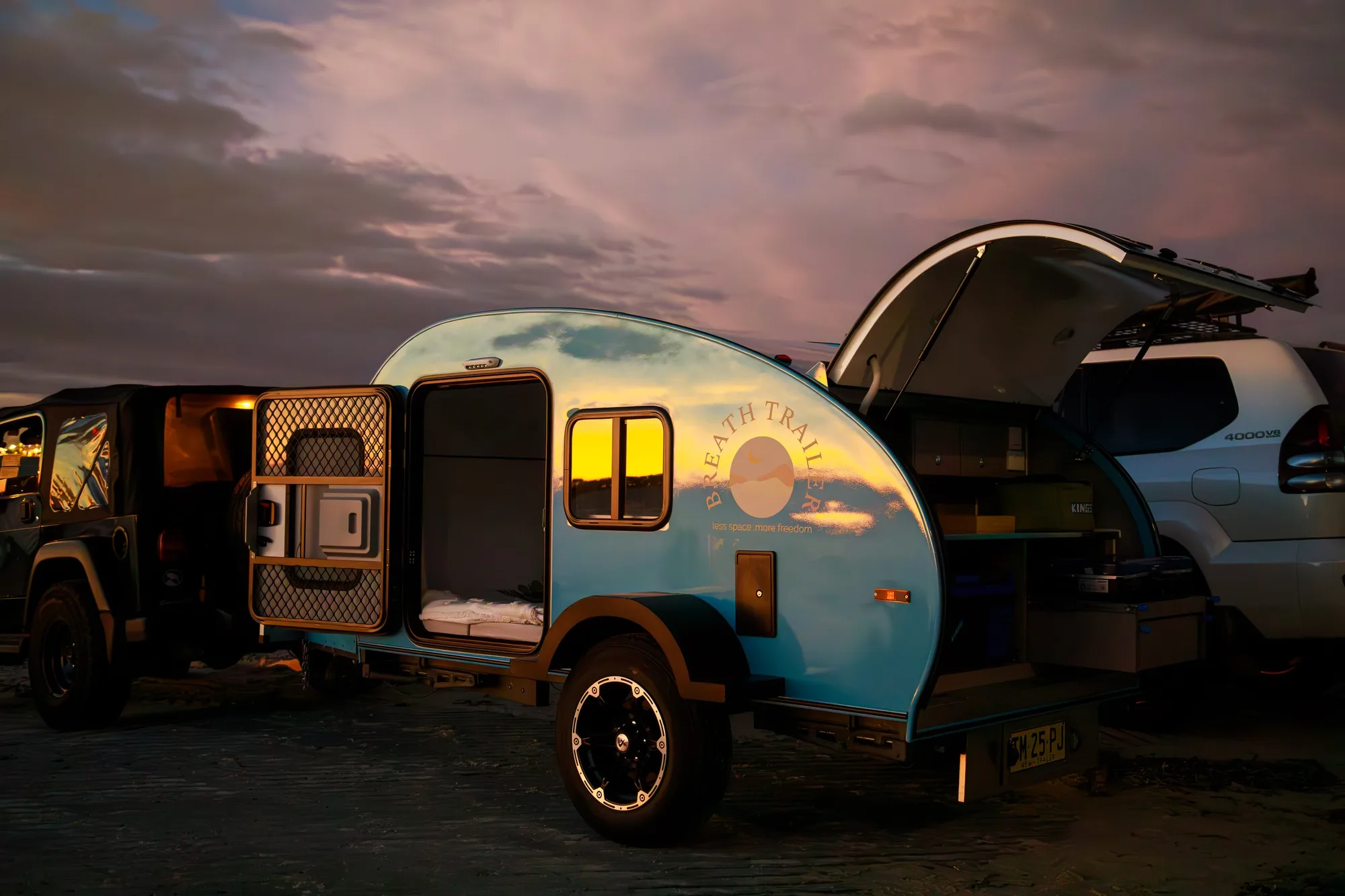
There is nowhere else in Australia quite like the Red Centre. A sandstone monolith rising 348 metres from flat desert, a sky so clear you can count the stars, and silence so deep you hear your own breathing. Uluru-Kata Tjuta National Park attracted 271,000 visitors in 2023-24, and it made National Geographic’s list of the world’s best destinations to visit in 2026. For Australians towing a camper trailer, a Red Centre road trip is a bucket-list category of its own.
This guide covers everything you need to know: where to camp (and where you cannot), 2026 park fees, the best season, how to drive in, water and power planning for desert conditions, and which Breath Trailer model handles the Red Centre best. The distances are big — plan ahead, and you will have one of the great Australian trips.
Understanding the Red Centre: What to Expect
The Red Centre is a roughly 1,000-kilometre-radius area centred on Alice Springs, in the heart of the Northern Territory. The headline destinations are:
- Uluru-Kata Tjuta National Park — Uluru (Ayers Rock) and Kata Tjuta (The Olgas), jointly listed as a UNESCO World Heritage Area since 1994 for natural and cultural significance.
- Watarrka National Park (Kings Canyon) — a dramatic gorge with 100-metre sandstone walls, 295 km south-west of Alice Springs.
- West MacDonnell Ranges (Tjoritja) — 161 km of ancient quartzite ranges stretching west of Alice Springs, with gorges, waterholes and the 223 km Larapinta Trail.
- East MacDonnell Ranges — quieter, 4WD-accessible gorges and Aboriginal rock art east of town.
All four areas can be combined into the Red Centre Way, a 1,100–1,200 km sealed-and-unsealed loop out of Alice Springs that takes 5–7 days as a minimum.
When to Visit the Red Centre
Season is the most important planning decision for a Red Centre camping trip.
| Month | Daytime temp | Night temp | Conditions | Verdict |
|---|---|---|---|---|
| June–August | 18–24°C | 3–10°C | Clear, dry, busy | Peak season — ideal, book 8–12 weeks ahead |
| April–May | 24–32°C | 12–18°C | Warm, quiet, shoulder | Excellent — less crowded, same access |
| September | 27–33°C | 16–20°C | Warming, still manageable | Good with early starts; Valley of the Winds may close midday |
| October | 33–38°C | 21–25°C | Hot, approaching dangerous | Marginal — shade + early starts essential |
| November–March | 35–44°C+ | 25–30°C | Extreme heat, storms | Avoid — dangerous for self-drive camping |
The Valley of the Winds walk at Kata Tjuta closes whenever the forecast exceeds 36°C, which happens regularly from October through March. If the walk is on your list, plan for May–September.
Winter nights can drop below 5°C — a diesel heater or quality sleeping bag is not optional.
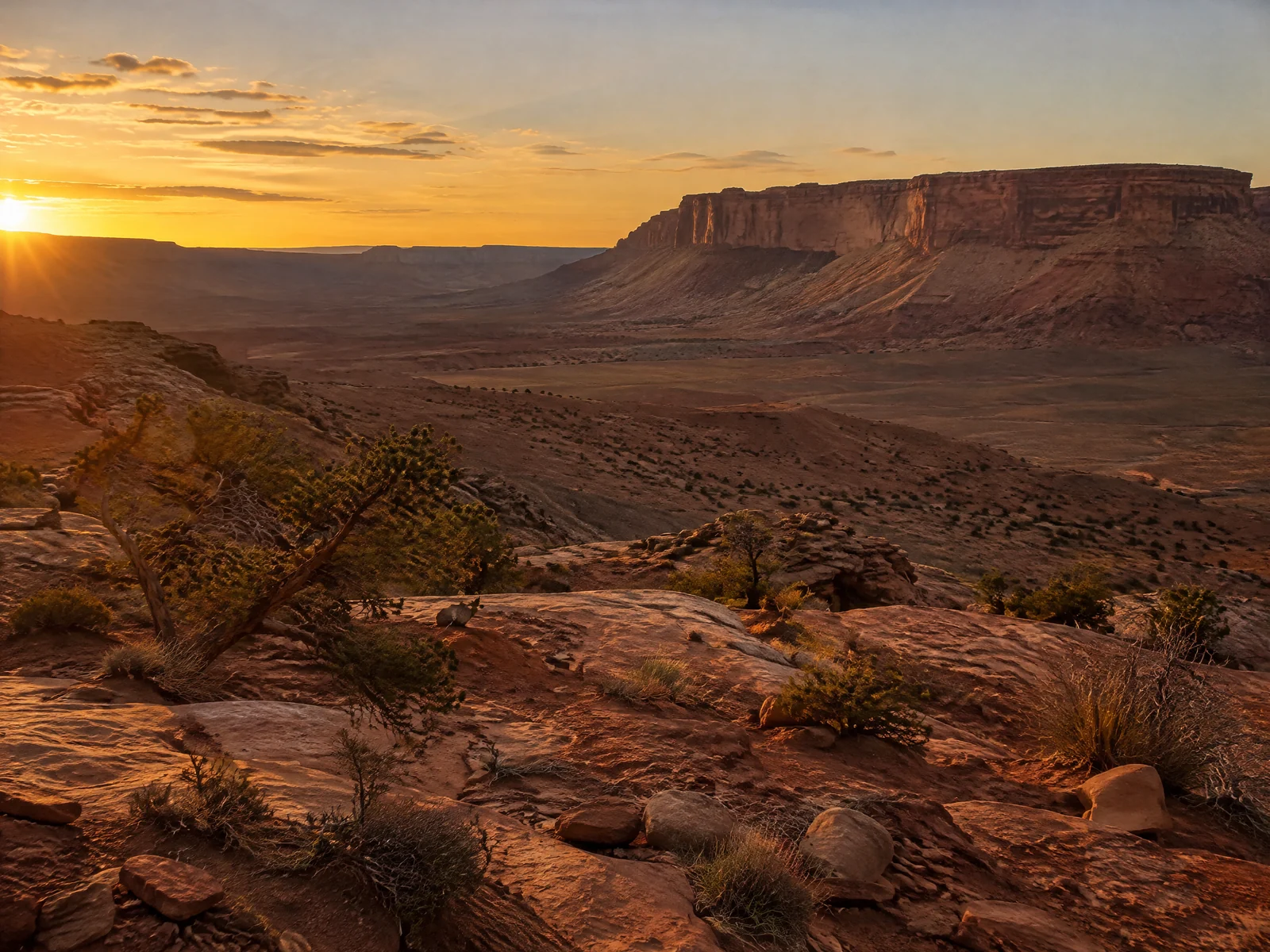
Illustration: The Red Centre’s ochre desert is at its most spectacular in the golden hour before sunset.
Getting There: Driving to Uluru
The Red Centre is remote. Plan at minimum two driving days from most capital cities. Flights to Alice Springs or Ayers Rock Airport (Connellan Airport, ASY) are the practical choice from Sydney, Melbourne, Brisbane and Perth — you can hire a tow vehicle at Alice Springs.
| Origin | Distance to Uluru | Drive time | Recommended approach |
|---|---|---|---|
| Alice Springs | 450 km | ~4.5 hrs | Via Stuart/Lasseter Hwys (fully sealed) |
| Adelaide | 1,570 km | ~15 hrs | Via Stuart Highway — 2-night drive minimum |
| Darwin | 1,490 km | ~14 hrs | Via Stuart Highway — 2-night drive minimum |
| Melbourne | 2,530 km | 24+ hrs | Fly to Alice Springs, hire tow vehicle |
| Sydney | 2,850 km | 27+ hrs | Fly to Alice Springs, hire tow vehicle |
| Perth | 2,600 km | 25+ hrs | Fly to Alice Springs, hire tow vehicle |
The only sealed access to Uluru is the Lasseter Highway, running east from Uluru to the Stuart Highway at Erldunda Roadhouse (245 km east of Uluru). This road is accessible to all 2WD vehicles and any camper trailer — no permit required.
To reach Kings Canyon from Uluru, you have two options: the fully sealed Ernest Giles Road (175 km, 2WD), or the more adventurous Mereenie Loop via Luritja Road (a mix of sealed and graded dirt; requires a Mereenie Loop Pass permit, available at Alice Springs visitor centres, Hermannsburg general store, or Kings Canyon Resort, for around $5–10). The Mereenie Loop is manageable in a standard 2WD in dry conditions, but check conditions before attempting it with a trailer.
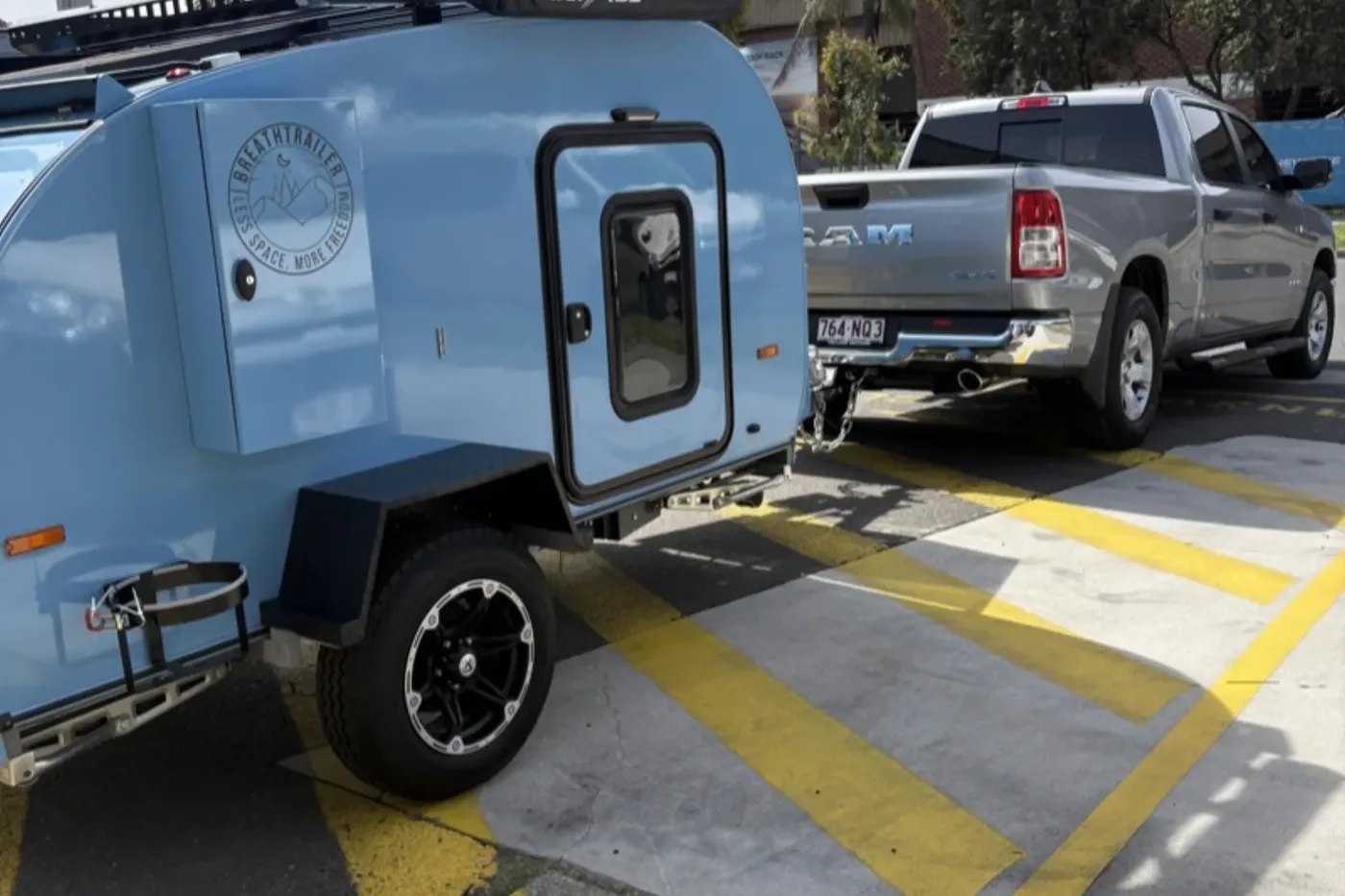
The 900-kg Breath Ultra tows behind a mid-size SUV on the sealed Lasseter Highway — the main road in to Uluru.
Park Entry Fees and Permits (2026)
| Pass type | Cost | Valid for |
|---|---|---|
| Adult 3-day park pass | $38.00 | Uluru-Kata Tjuta NP only, 1 person |
| Children/teens under 18 | Free | With a paying adult |
| Annual pass (individual) | $50.00 | Uluru-Kata Tjuta NP, 1 person |
| NT vehicle annual pass | $109.00 | Driver + all passengers, NT-rego’d vehicles |
Buy online at parksaustralia.gov.au before you travel, or at the entry station. A separate pass is required for Kakadu — the same pass does not cover both parks.
Watarrka National Park (Kings Canyon) has no gate fee for day visitors as of 2026. Check the NT government parks site for any updates before your trip.
For the West MacDonnell Ranges, a Parks Pass is required to enter the national park. Fees and booking for campsites are managed through the NT Parks online booking system.
Where to Camp Near Uluru: The Complete Campground Guide
The most important thing to know: camping is not permitted inside Uluru-Kata Tjuta National Park itself. Parks Australia is clear on this. Camping is only permitted at designated campgrounds outside the park boundary.
| Campground | Distance from Uluru | Type | Price per night | Key facilities | Booking |
|---|---|---|---|---|---|
| Ayers Rock Campground (Yulara) | 20 km | Powered, unpowered, tent | Powered ~$50–65, unpowered ~$44–58, tent sites from ~$26 | Full amenities, pool, café, shuttle to park | Voyages / ayersrockresort.com.au |
| Curtin Springs Wayside Inn | ~90 km east (Lasseter Hwy) | Unpowered (free), powered | Unpowered free; powered fee; showers $4; water $10/tank | Dining, fuel, guided walks to salt lake | curtinsprings.com |
| Erldunda Roadhouse Caravan Park | ~245 km east (Stuart Hwy) | Powered, unpowered, cabins | Powered from ~$40–50 | Toilets, showers, fuel, dining | erldunda.com |
| Kings Canyon Resort Campground | 295 km north (Kings Canyon) | Powered, unpowered | From ~$30+ | Pool, restaurant, fuel | Kings Canyon Resort |
| Kings Creek Station | 25 km east of Kings Canyon | Powered, unpowered, safari cabins | Unpowered from ~$20–30 | Amenities, fuel, camel farm | kingscreekstation.com.au |
| Glen Helen Lodge (West Macs) | 132 km west of Alice Springs | Powered, unpowered | Contact property | Bar, meals, gorge walk | glenhelenresort.com.au |
All prices are indicative 2026 figures. Ayers Rock Campground uses variable/peak pricing — confirm your dates at ayersrockresort.com.au before booking.
Ayers Rock Campground at Yulara is the base for most visitors. Run by Voyages Indigenous Tourism (part of the ILC), it has the full range of powered and unpowered sites, a swimming pool, a café, and a shuttle service to the park gates and the sunrise/sunset viewing areas. Booking well ahead for June–August is essential.
Curtin Springs is 90 km east — a working cattle station with free unpowered sites and a bough-shed dining area. It is a solid option for those who prefer a quieter spot and can self-contain for a night. The drive between Curtin Springs and the park gates is 90 minutes on sealed road, which works if you want to catch sunrise.
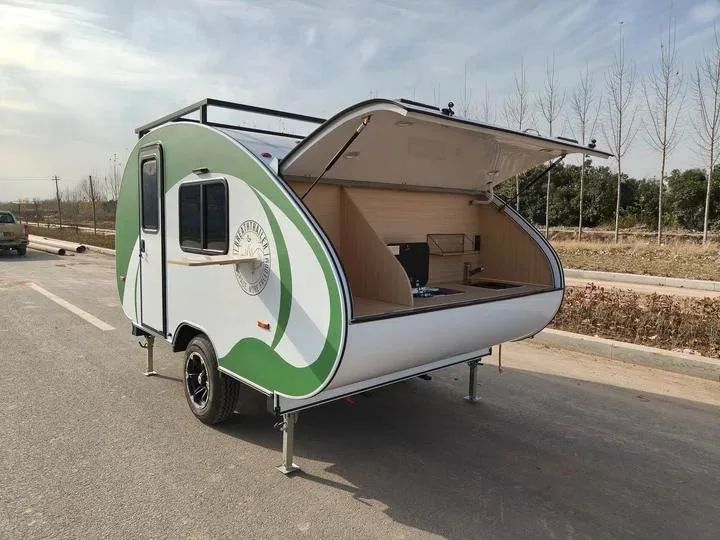
The Breath Max’s rear galley provides everything you need to cook dinner after a long day in the park — no camp kitchen required.
Self-Containment in the Red Centre
Free camping is not available within reach of Uluru or Kata Tjuta. The entire park buffer zone is managed by the resort precinct at Yulara, which means there are no roadside or crown land camps within a reasonable distance of the main attractions. If you want flexibility, base yourself at Ayers Rock Campground or Curtin Springs and day-trip into the park.
On the drive in — particularly along the Stuart Highway between Alice Springs and Erldunda — rest areas and free camps at Crown Land sites exist (WikiCamps lists them). A self-contained trailer extends your options considerably on the 450 km run.
For the West MacDonnell Ranges, the NT rules are the same as the rest of the Territory: grey water must go to a dump point, not the ground. The campgrounds at Ellery Creek, Glen Helen and Redbank Gorge all have toilets. No dump points exist inside the national park itself, so a grey water tank or catch system is essential if you are camping beyond the powered sites.
See our self-contained camper guide for the full NT free-camping rules and the national free camping guide for the stop-over options along the Stuart Highway.
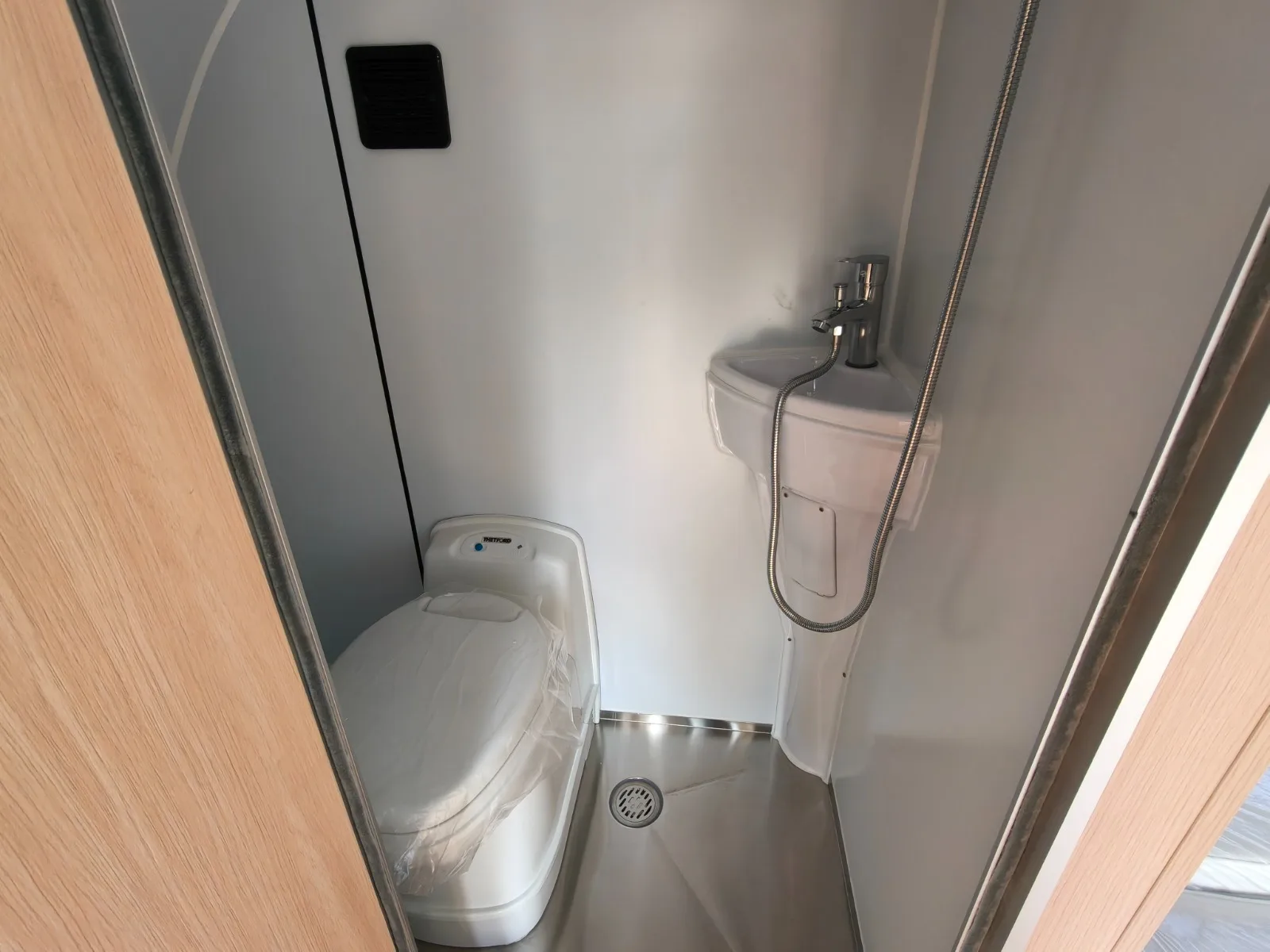
The Breath Max’s full interior bathroom makes it the only sub-$50k teardrop in Australia with a self-contained cassette toilet, basin and shower in one wet room.
Water and Power Planning for Desert Conditions
The Red Centre demands extra planning around water and power. The consequences of running short are serious.
Water planning:
| Activity | Daily minimum | Notes |
|---|---|---|
| Drinking + cooking (camping) | 3 L/person | Minimum; 4–5 L recommended in summer |
| Washing + hygiene | 5–8 L/person | More in heat |
| Total per person per day | 10–15 L | In peak winter; up to 20 L in summer |
| Walking: Uluru base walk (10.6 km) | 2 L minimum | Carry before you leave the car park |
| Walking: Valley of the Winds (7.4 km) | 1.5–2 L | Parks recommends 1 L/hr minimum |
The park has no accessible water inside its boundaries for campers — fill up at Ayers Rock Campground before going into the park for a day hike. Curtin Springs sells water by the tank. Erldunda Roadhouse has water. Glen Helen Resort in the West Macs has water on site.
A Breath Plus (80 L tank) or Breath Ultra/Max (80 L tank) carries 4–8 days’ water for a couple when used carefully. The Essential’s 40 L tank is manageable for 2 nights — fill it at every opportunity.
Power planning:
The desert is one of the best places in Australia for solar. Typical peak sun hours in the Red Centre are 7–10 hours/day in winter — roughly twice what you get in southern Australia. A 120–160 Ah lithium battery with 200 W of solar will keep a fridge running indefinitely and charge phones, lights and a camp fan.
Summer presents the opposite challenge: temperatures inside a dark trailer can hit 50°C+ when parked in the sun. Park under shade if available, open roof vents, and use a diesel heater at night in winter (overnight lows of 3–8°C in June–July require it). Read our off-grid setup guide for solar sizing and how long you can stay off-grid for full maths.
Activities: Making the Most of Uluru
Climbing Uluru is permanently closed since 26 October 2019, by agreement with the traditional owners, the Aṉangu. Any tour operator or website suggesting otherwise is out of date.
| Activity | Distance/duration | Notes |
|---|---|---|
| Uluru base walk | 10.6 km / 3–4 hrs | Fully accessible paved path around the rock |
| Mala Walk (ranger-guided) | 2 km / 45 min | Free with park pass; meets at Mala car park |
| Kata Tjuta: Valley of the Winds | 7.4 km / 3–4 hrs | Closes 9am–3:30pm when 36°C forecast |
| Kata Tjuta: Walpa Gorge | 2.6 km / 1–1.5 hrs | Open when Valley of the Winds closes |
| Sunrise/sunset viewing | Talinguru Nyakunytjaku | Free viewing area (car park, open 4WD + 2WD) |
| Cultural Centre | 1 hr | Free with park pass; Aṉangu art + exhibitions |
| Field of Light (seasonal) | 1–2 hrs | Bruce Munro art installation; ticketed — check dates |
Start all walks by 7 am in October or later in the season. Carry the water volumes above and turn back if you feel unwell — the desert does not forgive overconfidence.
The Red Centre Way: A 5–7 Day Loop
The Red Centre Way is Australia’s most iconic outback road trip, connecting Alice Springs, the West MacDonnell Ranges, Kings Canyon and Uluru in a roughly 1,100–1,200 km loop.
| Leg | Route | Distance | Road type | Notes |
|---|---|---|---|---|
| 1 | Alice Springs → Glen Helen (West Macs) | 132 km | Sealed | Ellery Creek, Ormiston Gorge stops |
| 2 | Glen Helen → Redbank Gorge | 36 km | Sealed | Mt Sonder sunrise hike base |
| 3 | Redbank → Kings Canyon Resort | ~200 km | Sealed (Ernest Giles Rd) or unsealed (Mereenie Loop) | Mereenie Loop pass required |
| 4 | Kings Canyon day (Rim Walk) | 6 km loop | Walking track | Start by 7 am in Sep–Oct |
| 5 | Kings Canyon → Uluru | 170 km | Sealed (Luritja/Lasseter) | Kata Tjuta en route |
| 6–7 | Uluru base camp | — | — | Sunrise, sunset, Kata Tjuta, walks |
| 8 | Uluru → Alice Springs | 450 km | Sealed | Return via Lasseter/Stuart Hwys |
The Rim Walk at Kings Canyon (6 km, 3–4 hrs) is one of Australia’s best outback walks. It rises steeply from the car park and should only be done before 9 am from October onwards. The resort gates the car park after 9 am when temperatures are extreme.
For more on the NT Top End, see our Kakadu camping guide and the NT camping spots guide. If you are doing a full lap, the big lap preparation guide has the full admin checklist for long-term travel.
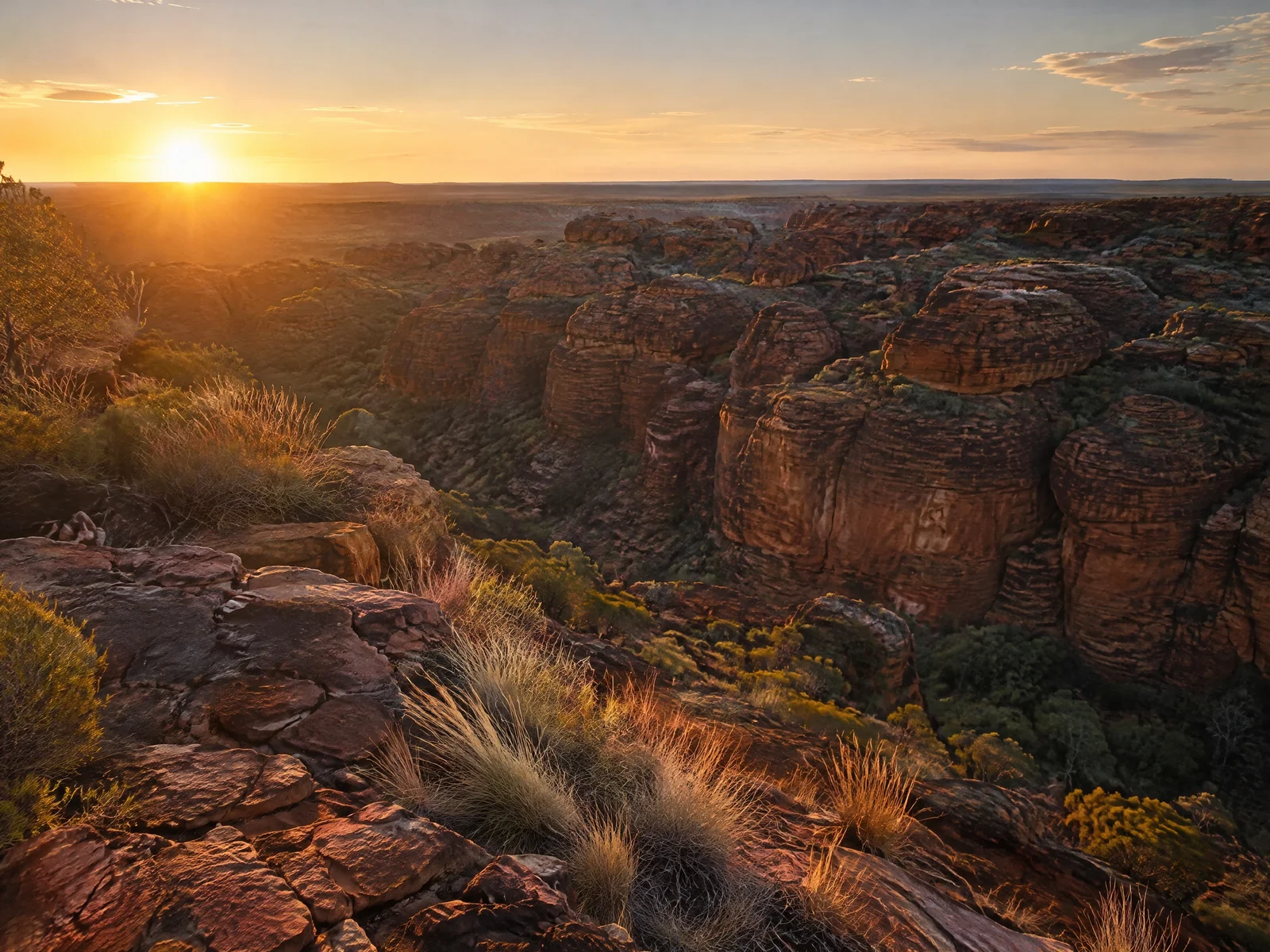
Illustration: Kings Canyon’s Rim Walk rewards an early start with one of the Red Centre’s most dramatic views.
Which Breath Trailer Suits the Red Centre?
The Red Centre road trip is done on fully sealed roads (Lasseter Highway, Stuart Highway, Ernest Giles Road). Off-road suspension is an advantage on the unsealed Mereenie Loop section, but is not required for the main route.
| Model | Tare / ATM | Water tank | Bathroom | Red Centre suitability |
|---|---|---|---|---|
| Breath Essential | 700 / 1,000 kg | 40 L | None | Good for sealed route; fill water at every stop; stay at campgrounds with amenities |
| Breath Plus | 800 / 1,200 kg | 80 L | None | Good — 3–4 days’ water for two; fridge standard; still needs amenities campgrounds |
| Breath Ultra | 900 / 1,400 kg | 80 L | External shower only | Very good — solar/battery upgrade recommended; external shower handy after dusty days |
| Breath Max | 1,200 / 1,700 kg | 80 L | Full interior ensuite | Best for the Red Centre Way — cassette toilet + full shower = total freedom to choose bush stops along Stuart Hwy and stay at Curtin Springs. Self-contained for Crown Land free camps en route. |
The Breath Max is the only model under $50,000 in Australia with a full interior bathroom, self-containment and 2.1 m standing headroom. In a region where dump points can be 250 km apart and free camping is how you keep costs down on a 2-week trip, that matters.
See the full specs on the Breath Max and Breath Ultra pages, or use the comparison tool to match your tow vehicle and trip style.
Essential Packing Checklist for the Red Centre
Desert camping requires gear that city and coastal trips do not.
| Category | Essential | Nice to have | Skip |
|---|---|---|---|
| Water | 2 × 10 L collapsible jerry cans (backup) | Water filter (Sawyer Squeeze) | Water purifier tablets (tap water at campgrounds) |
| Sun protection | 50+ SPF sunscreen, wide-brim hat, UV-shield sun shirt | UPF 50+ face net (flies, Oct–Mar) | Sunshade tent (Ayers Rock Campground has trees) |
| Navigation | Hema Explorer paper map (Central Australia), Hema app | Garmin inReach Mini 2 ($599) | Google Maps (limited coverage) |
| Comms | PLB (registered with AMSA, free) | Iridium GO / Garmin inReach (2-way) | Standard mobile phone as primary comms |
| Tyres | 2 × full-size spare tyres, tyre plug kit, 12V compressor | TPMS tyre pressure monitor | 33-inch MTs (sealed road only trips) |
| Cold nights | Diesel heater or quality -5°C sleeping bag | Merino base layers | Electric blanket (12V) |
| Power | 100 Ah+ lithium battery, 200 W+ solar | Portable Bluetti/EcoFlow station | 240V generator (campgrounds are quiet zones) |
| Fuel | Check gaps: Curtin Springs → Yulara 90 km, Yulara → Kings Canyon 170 km (fuel at resort) | 20 L jerry can as backup | — |
| Food and fridge | 12V fridge (fridge section at 3–4°C), full ice box backup | Portable gas cooker for lunch stops | Esky without ice (unreliable in 40°C) |
The longest fuel gap on the standard sealed loop is approximately Curtin Springs to Yulara (90 km) and Yulara to the Kings Canyon turnoff (~170 km) — both manageable with a standard tank. Fill at every opportunity anyway.
For the complete pre-departure checklist, see our essential checklist before leaving and the camper trailer packing list.
Frequently Asked Questions
Can you camp inside Uluru-Kata Tjuta National Park? No. Camping is not permitted anywhere inside the national park. All overnight camping must be at designated campgrounds outside the park boundary, such as Ayers Rock Campground at Yulara (20 km from the rock) or Curtin Springs Wayside Inn (~90 km east on Lasseter Highway).
Can you climb Uluru? No. Climbing was permanently closed on 26 October 2019 at the request of the Aṉangu traditional owners. Bypassing the closure would be a serious cultural offence as well as a legal infringement.
Do you need a 4WD to reach Uluru? No. The Lasseter Highway from Erldunda to Yulara is fully sealed and accessible to all 2WD vehicles and all camper trailer types. A 4WD becomes relevant only if you choose the Mereenie Loop (partly unsealed) or venture off the main track in the West MacDonnell Ranges.
Are there crocodiles in the Red Centre? No. The Red Centre’s permanent waterholes (Ellery Creek Big Hole, Ormiston Gorge, Redbank Gorge) are freshwater and free of saltwater crocodiles. Dingoes are present in the Uluru area — the park is a dingo management zone. Do not feed or approach them.
When should I book Ayers Rock Campground? For June, July and August, book 8–12 weeks ahead. April–May and September need 4–6 weeks. The campground is managed by Voyages at ayersrockresort.com.au.
Is the Red Centre worth it in spring (September–October)? September is the last reliable cool month — manageable with early starts. October heat is rising and the Valley of the Winds walk at Kata Tjuta starts closing midday. If September is your only window, go — it is still spectacular. October requires much more caution.
Recommended Reading
- Best Camping Spots in the Northern Territory — 18 campgrounds across all NT regions
- Kakadu National Park Camping Guide — plan the full NT circuit
- Big Lap Around Australia Preparation Guide — admin, budget, and itinerary for a full lap
- Self-Contained Camper Australia — grey water rules and free camping access by state
- Off-Grid Teardrop Camper Australia — solar sizing and power setup for desert conditions
The Red Centre is a long way from anywhere, which is exactly why it is worth going. Book early, fill the water tank, start your walks at sunrise, and you will understand why Uluru is still the image Australia uses to describe itself to the world. View our camper trailers or book a viewing to find the model that makes the trip possible.