Kakadu National Park Camping Guide Australia 2026
Complete guide to camping in Kakadu with a camper trailer in 2026: campgrounds, fees, seasonal access, road conditions, croc safety, and which Breath Trailer model to bring.
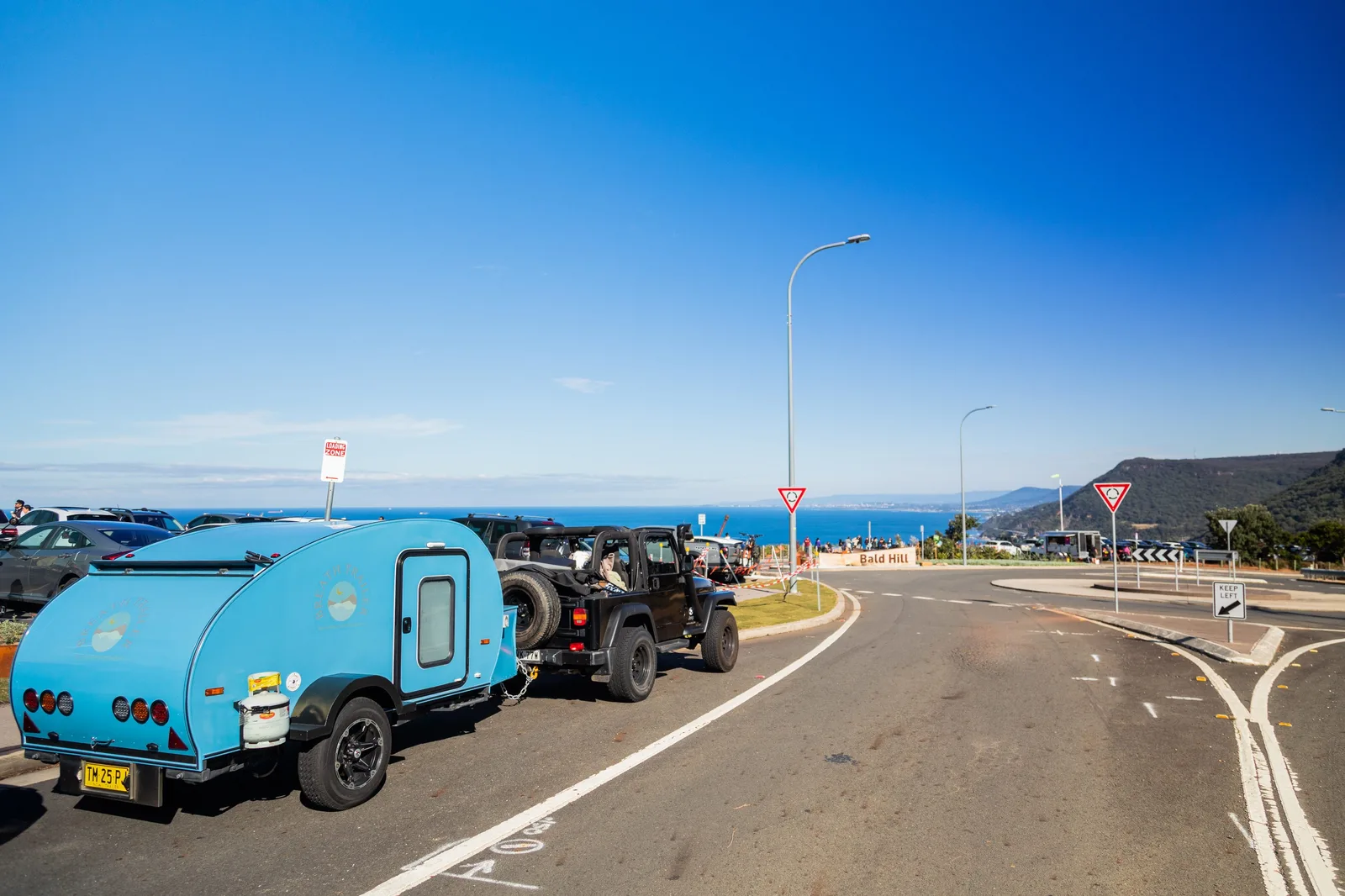
Kakadu National Park is one of Australia’s great bucket-list destinations — 20,000 km² of tropical wilderness, ancient rock art, plunging escarpment waterfalls, and crocodile-patrolled billabongs. It is the country’s largest national park, a double UNESCO World Heritage Site (both natural and cultural), and jointly managed with the Bininj/Mungguy Traditional Owners who have lived here for more than 65,000 years.
It is also, for camper trailer owners, one of the most rewarding places in the country to set up camp. The park’s main campgrounds are sealed-road accessible and equipped with hot showers. Its 4WD tracks — the ones that lead to Gunlom and Maguk — are where a compact, hard-shell camper trailer genuinely outperforms a caravan or motorhome: low enough to navigate creek crossings, short enough to fit a designated site, and secure enough to leave while you walk to the falls.
This guide covers everything you need to plan a 2026 trip: current park pass fees, the campgrounds that accept camper trailers, what is open and closed this dry season, croc safety, towing to Darwin, and which Breath Trailer model suits Kakadu best.
At a Glance: Kakadu in 2026
Kakadu is managed by Parks Australia in partnership with the Bininj/Mungguy Aboriginal Traditional Owners under the Kakadu Plan of Management. The park spans four major river systems — the East Alligator, West Alligator, South Alligator, and Wildman — and encompasses floodplains, stone country, and monsoon rainforest.
Key 2026 alert: Parks Australia significantly reduced park pass prices from 1 July to 31 October 2026 after the dry season saw the closure of Jim Jim Falls, Twin Falls Gorge, the Escarpment Walk, and Karnamarr Campground due to road infrastructure upgrades and safety concerns raised by Traditional Owners. The reduced pricing runs until 31 October 2026; standard pricing resumes on 1 November 2026. Check parksaustralia.gov.au/kakadu for the latest closure status before you book flights.
Park Pass Fees (2026)
A Kakadu Park Pass is compulsory for all visitors and is purchased on top of campsite fees. It covers unlimited re-entries for the pass duration.
| Pass Type | Reduced (until 31 Oct 2026) | Standard (from 1 Nov 2026) |
|---|---|---|
| Adult (1 day) | $25 | $40 |
| Child 5–15 yrs (1 day) | $12.50 | $20 |
| Family 2 adults + 2+ kids | $65 | $100 |
| Concession | $19 | $30 |
- Passes are available at the Bowali Visitor Centre, Warradjan Cultural Centre, or online via the Parks Australia booking system.
- Children under 5 are free.
- Aboriginal people of Kakadu are exempt.
When to Visit: Seasonal Guide
Kakadu has two distinct seasons. The dry season runs May to October; the wet season runs November to April. Most camper-trailer travellers visit in the dry.
| Month | Season | Conditions | Access |
|---|---|---|---|
| May | Early Dry | Temperatures easing (25–33°C), some tracks still wet | Most sealed roads open; 4WD tracks improving |
| June | Dry | Ideal conditions (20–32°C), low humidity | Best time: nearly all campgrounds open |
| July | Dry | Peak season, mild nights (15°C), crowds build | All open campgrounds accessible |
| August | Dry | Peak season continues, waterholes shrinking | Best waterfall water levels; book early |
| September | Dry | Temperatures rising again (30–36°C) | Waterfalls reduced; still excellent for wildlife |
| October | Late Dry | Hot and humid (35–40°C+), first electrical storms | 2026: park pass discount in place; croc activity increases |
| November | Pre-Wet | Extreme heat, storms, roads start to close | Many 4WD tracks and some campgrounds close |
| December–April | Wet | Roads flood, spectacular lightning, green-up | Most 4WD sites inaccessible; flood plains transformed |
Best overall window: June to August for conditions. Late May or early September offer similar quality with smaller crowds. October is still viable but watch the heat and confirm which attractions remain open.
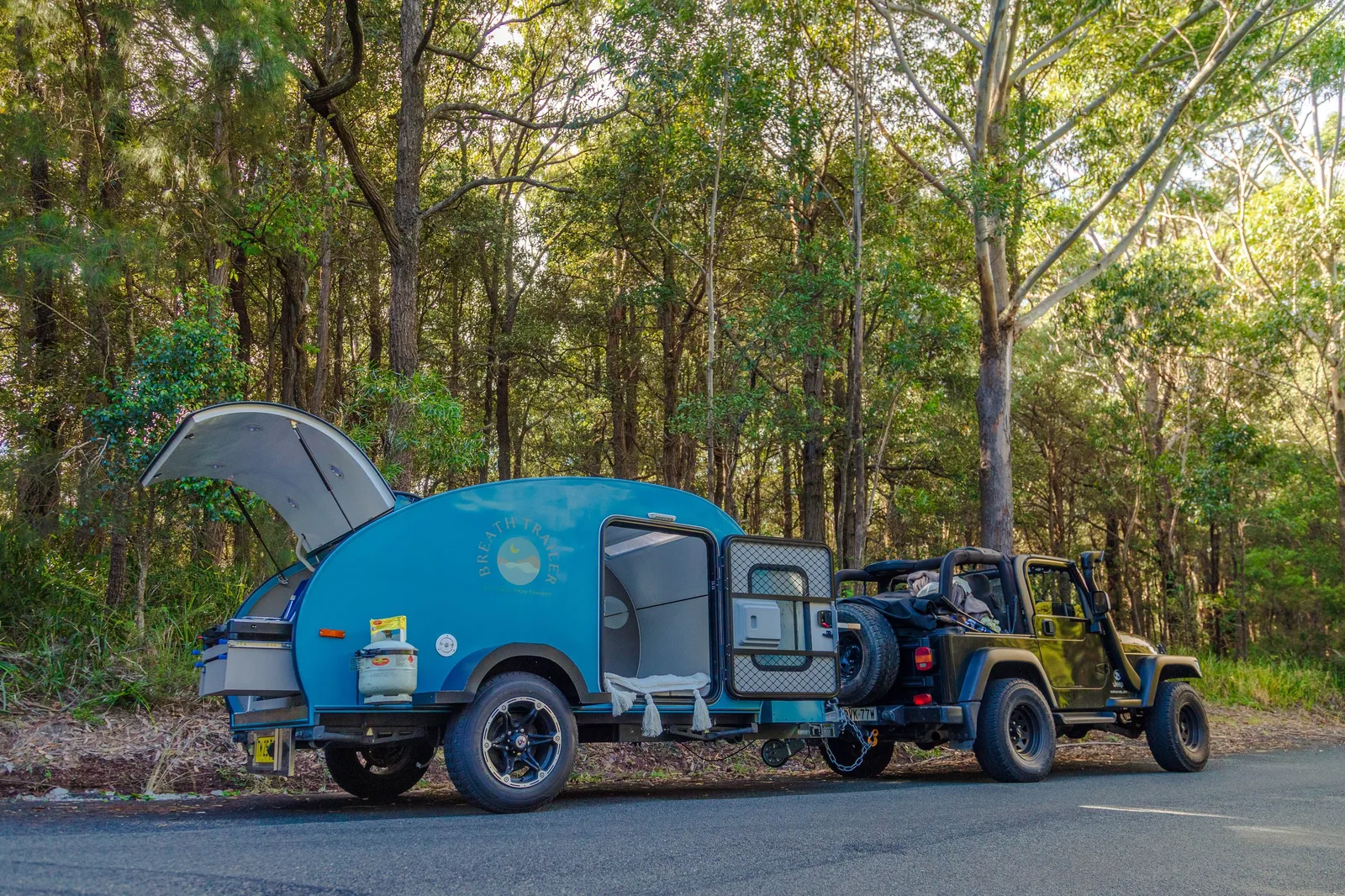
The drive from Darwin to Jabiru takes under three hours on sealed road — one of the more comfortable tow routes in the Top End.
Getting There: Towing to Kakadu
Kakadu is approximately 253 km south-east of Darwin via the Arnhem Highway (State Route 36). The drive is fully sealed and takes under three hours towing.
From Darwin to Jabiru:
- Take the Stuart Highway south from Darwin for ~32 km, then the Arnhem Highway east.
- The Arnhem Highway is excellent bitumen — no corrugations, flat to gently rolling.
- Fuel at Jabiru (192 km from Darwin); the nearest fuel before that is Humpty Doo (~60 km from Darwin).
- Jabiru to Cooinda (South Alligator area): 50 km via Kakadu Highway, sealed.
4WD Tracks: Several key attractions — including Gunlom (Waterfall Creek), Maguk (Barramundi Gorge), and the Yurmikmik walks — require a 4WD track. These are unsealed, may involve water crossings, and are seasonal. Caravans are prohibited on the Gunlom track; camper trailers are a better option, but check current conditions and confirm road advisories at the Bowali Visitor Centre.
Speed limits: 130 km/h is permitted on open Northern Territory highways outside town areas. Lower your speed to 110 km/h when towing for stability and tyre management — see our camper trailer tyre guide for tyre pressure recommendations on mixed sealed/dirt surfaces.
Campgrounds for Camper Trailers
Kakadu has managed campgrounds (with showers, flushing toilets, and on-site staff) and unmanaged bush sites (pit toilets or drop toilets only). Most operate on a first-come, first-served basis. Camping fees are paid on-site; a Parks Pass is still required in addition.
| Campground | Type | Fees (per adult) | Facilities | Road Access | Camper Trailers |
|---|---|---|---|---|---|
| Mardugal/Muirella Park | Managed | $15/night | Showers, flush toilets, BBQ, boat ramp | Sealed — near Cooinda | Yes |
| Merl | Managed | $15/night | Showers, flush toilets, fire rings | Sealed — near East Alligator River | Yes |
| Malabanjbanjdju | Managed | $15/night | Showers, flush toilets, BBQ | Sealed — Arnhem Highway | Yes |
| Sandy Billabong | Managed | $15/night | Showers, flush toilets | Sealed — near Jabiru | Yes |
| Djarradjin Billabong | Managed | $15/night | Showers, flush toilets, fishing | Sealed | Yes |
| Maguk (Barramundi Gorge) | Managed | $15/night | Drop toilets, basic | 4WD track — unsealed | Camper trailers (check conditions) |
| Gunlom (Waterfall Creek) | Managed | $15/night | Showers, flush toilets | 4WD track — 37 km unsealed | Camper trailers; no caravans |
| Jim Jim Falls / Karnamarr | Managed | — | Showers, toilets | ⚠️ CLOSED 2026 — road infrastructure upgrades | — |
| Bush camps (various) | Unmanaged | $6/night | Pit toilets or none | Varies | Site-specific |
Family rate at managed campgrounds: $38 for two adults and two children under 15.
Jim Jim/Twin Falls closure: As of 2026, the Jim Jim Falls/Karnamarr Campground area and the Twin Falls Gorge track remain closed while Parks Australia and Traditional Owners oversee critical road and infrastructure upgrades. No confirmed reopening date had been published at time of writing — confirm status at kakadu.gov.au before including these in your itinerary.
Booking: Most sites are first-come, first-served with no advance booking required. The Kakadu booking system is being updated, so check the Parks Australia site for any change to this. Arrive before 2 pm in peak season (July–August) to secure a site at popular campgrounds like Mardugal.
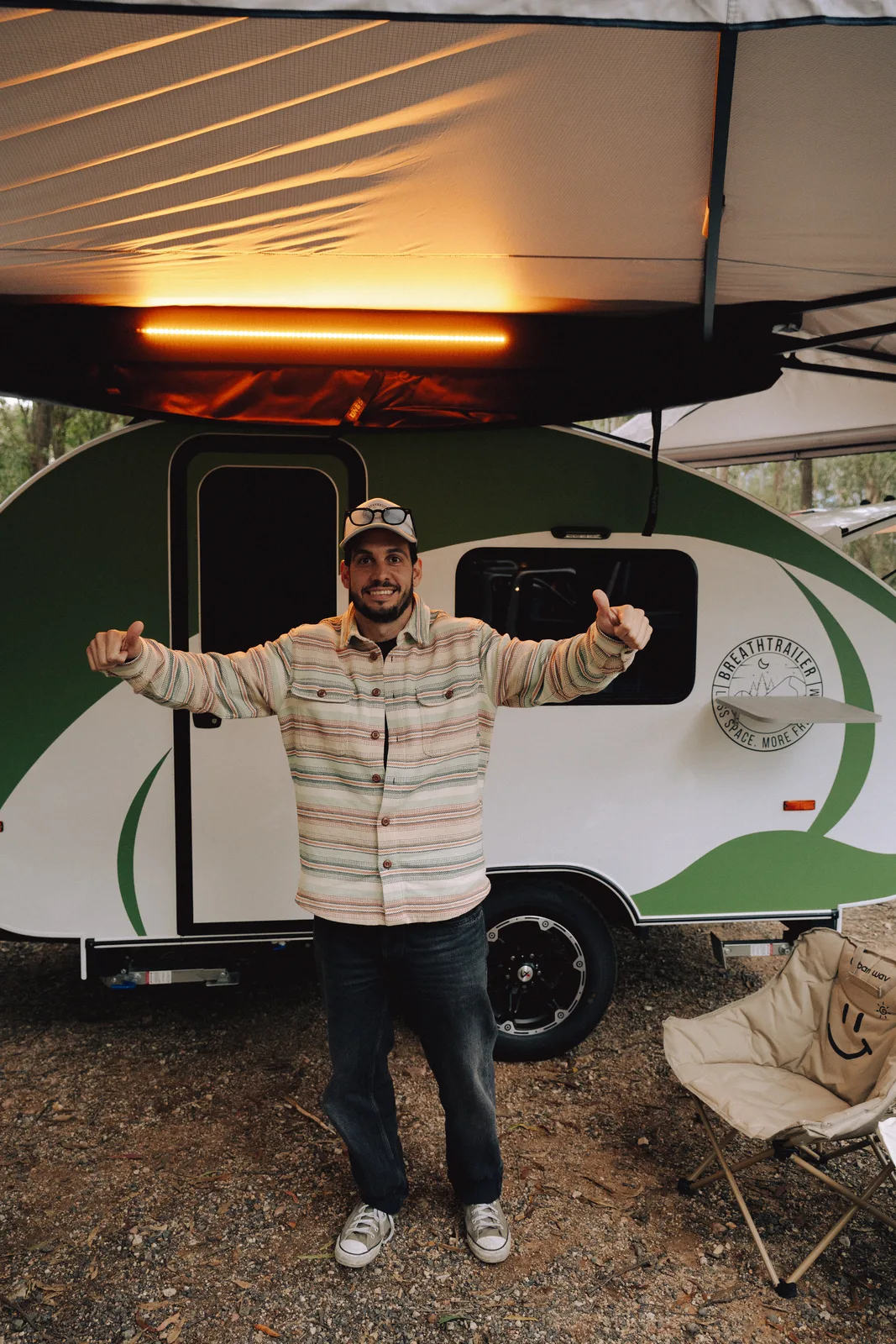
Managed campgrounds like Mardugal and Merl offer hot showers and levelled sites — setting up a compact teardrop takes five minutes, leaving the rest of the evening for a billabong sundowner.
Croc Safety: The Non-Negotiable
Kakadu is saltwater crocodile country. Saltwater crocodiles are present in every river, creek, billabong, floodplain, and coastal waterway in the park. This is not a manageable risk — it is a hard rule: do not swim, wade, or stand near the water’s edge unless the site is marked as crocodile-safe by Parks Australia.
Key rules:
- Swim only in signed safe swimming areas. In 2026, the most reliably signed options are the pool at Maguk (Barramundi Gorge) and the plunge pool at Gunlom (when accessible). Verify on-site signs each visit — conditions change.
- Never swim at night. Croc activity increases after dark.
- Do not fish, wade, or stand within 2 metres of the water’s edge anywhere that is not signed as safe. This includes apparent “safe” sandy edges of seemingly still billabongs.
- Keep children and pets away from the water. Road Rule 297 prohibits dogs inside trailers; keep dogs on a short lead at all times near water.
- Crocs are most active during October–April (warmer water, breeding season). Even in the dry season, they are present in every waterway.
Rangers patrol campgrounds but are not lifeguards. Croc signs are your single source of truth.
Top Things to Do (Camper-Trailer Access)
| Attraction | Type | Road Access | Notes (2026) |
|---|---|---|---|
| Yellow Water Billabong | Guided cruise | Sealed — Cooinda | Australia’s best crocodile-watching cruise; $70–$90/adult. Book in advance. |
| Ubirr Rock Art | Rock art + Nadab Lookout | Sealed | Iconic sunset view over the floodplains. 12-km return walking circuit. |
| Nourlangie (Burrungkuy) | Rock art | Sealed | Accessibility improvements completed late September 2026 per Parks Australia. |
| Maguk (Barramundi Gorge) | Swimming + waterfall | 4WD track (~10 km unsealed) | Swimming hole is typically croc-free (verify signs on-site). Moderate 4-km walk. |
| Gunlom | Swimming + falls + lookout | 4WD — 37 km unsealed | No caravans; camper trailers only. Spectacular plunge pool; check 2026 road status. |
| Mamukala Wetlands | Bird watching + walk | Sealed | 3-km walk with raptors, jabiru storks, 280+ bird species. |
| Jim Jim Falls | Waterfall + swimming | ⚠️ 4WD track — CLOSED 2026 | Suspension of access continues; confirm before planning. |
| Twin Falls Gorge | Waterfall + swim | ⚠️ 4WD track — CLOSED 2026 | Same closure as Jim Jim. Check kakadu.gov.au. |
| East Alligator River | Barramundi fishing | Sealed (from Merl/Cahill’s) | Tidal saltwater — croc caution applies. Popular for barra. |
Power, Water, and Self-Containment
Kakadu campgrounds have no powered sites. You are running entirely from your trailer’s 12V system — solar and battery. The park also has no dump points inside the park boundary. This means:
Grey water: All grey water must be contained or disposed of responsibly. The nearest dump point is at Jabiru township (~3 km from the park boundary near the Bowali Visitor Centre area) or the Darwin area upon exit. If you are free-camping at bush sites within the park, grey water disposal becomes your own responsibility — the standard approach is to disperse well away from watercourses. See our water system guide for tank sizing on longer trips.
Power: Northern Territory sun is extremely strong year-round. Even October (late dry) delivers 8–9 peak sun hours per day. A 120–200 Ah lithium battery with 200 W of solar is sufficient for most couples for a 4–5 day stay without powered sites. See how long you can stay off-grid for the full day-by-day maths.
Water: Campgrounds have drinking water, but quality varies at bush sites. Carry at least 40 L per couple for a 3-day stint without relying on a campground tap. Kakadu tap water at managed campgrounds is potable, but some travellers carry a filter as a backup.
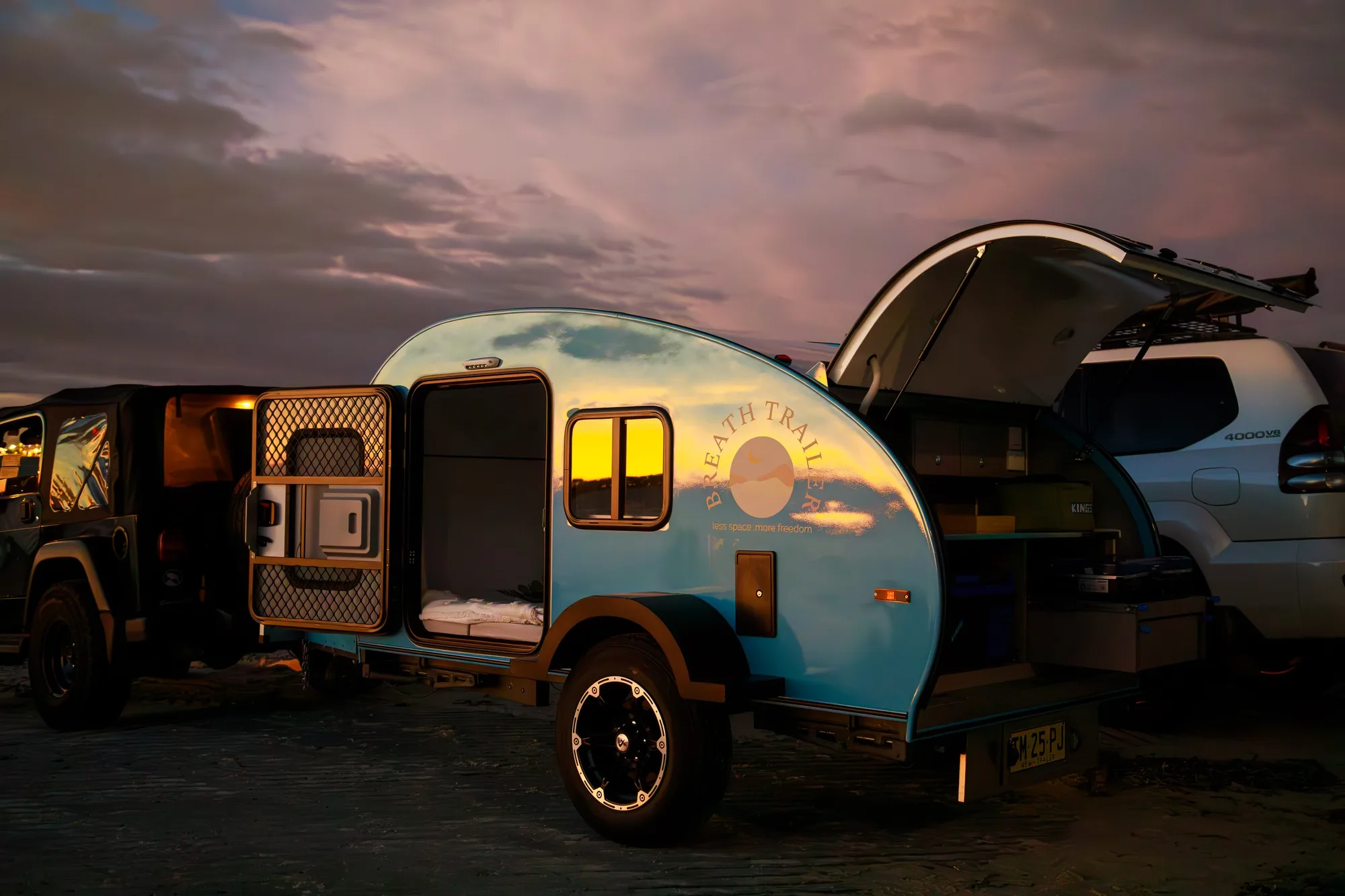
The rear kitchen slides out whether you have power or not — a 60-litre 12V compressor fridge, a two-burner gas stove, and running water cover everything Kakadu’s evenings demand.
Which Breath Trailer Model for Kakadu?
| Model | Tare | ATM | Best For | Kakadu Suitability |
|---|---|---|---|---|
| Essential $23,320 | 700 kg | 1,200 kg | Couples, weekend/short trips | Good for sealed campgrounds (Mardugal, Merl, Sandy Billabong). No bathroom. |
| Plus $29,766 | 800 kg | 1,350 kg | Couples or small families | As per Essential, adds built-in fridge. Good for 4–7 day trips. No bathroom. |
| Ultra $34,749 | 900 kg | 1,500 kg | Couples wanting more comfort | External shower — ideal for dusty 4WD tracks and washing off after Gunlom. No interior bathroom. |
| Max $42,900 | 1,200 kg | 1,700 kg | Anyone wanting full self-containment | Best option for Kakadu: interior bathroom + toilet, 80 L water tank, largest grey water containment — handles no-dump-point parks. 2.1 m standing room. |
The bathroom question in Kakadu: With no dump points inside the park, self-containment matters more here than almost anywhere in Australia. The Breath Max is the only teardrop on the Australian market under $50,000 with a full interior bathroom — it makes Kakadu’s no-dump-point policy genuinely manageable, and opens up the free bush camp sites where portable toilets are the only alternative. The Breath Ultra external shower is the minimum we’d recommend for Gunlom and Maguk access tracks, where dust and creek crossings accumulate.
All Breath Trailer models are hard-shell — no canvas to maintain, no humidity mould, and a lockable aluminium body that stays secure when you leave for a full-day walk to the Escarpment, knowing your gear won’t be inside with a croc. Compare all four models at our comparison page.
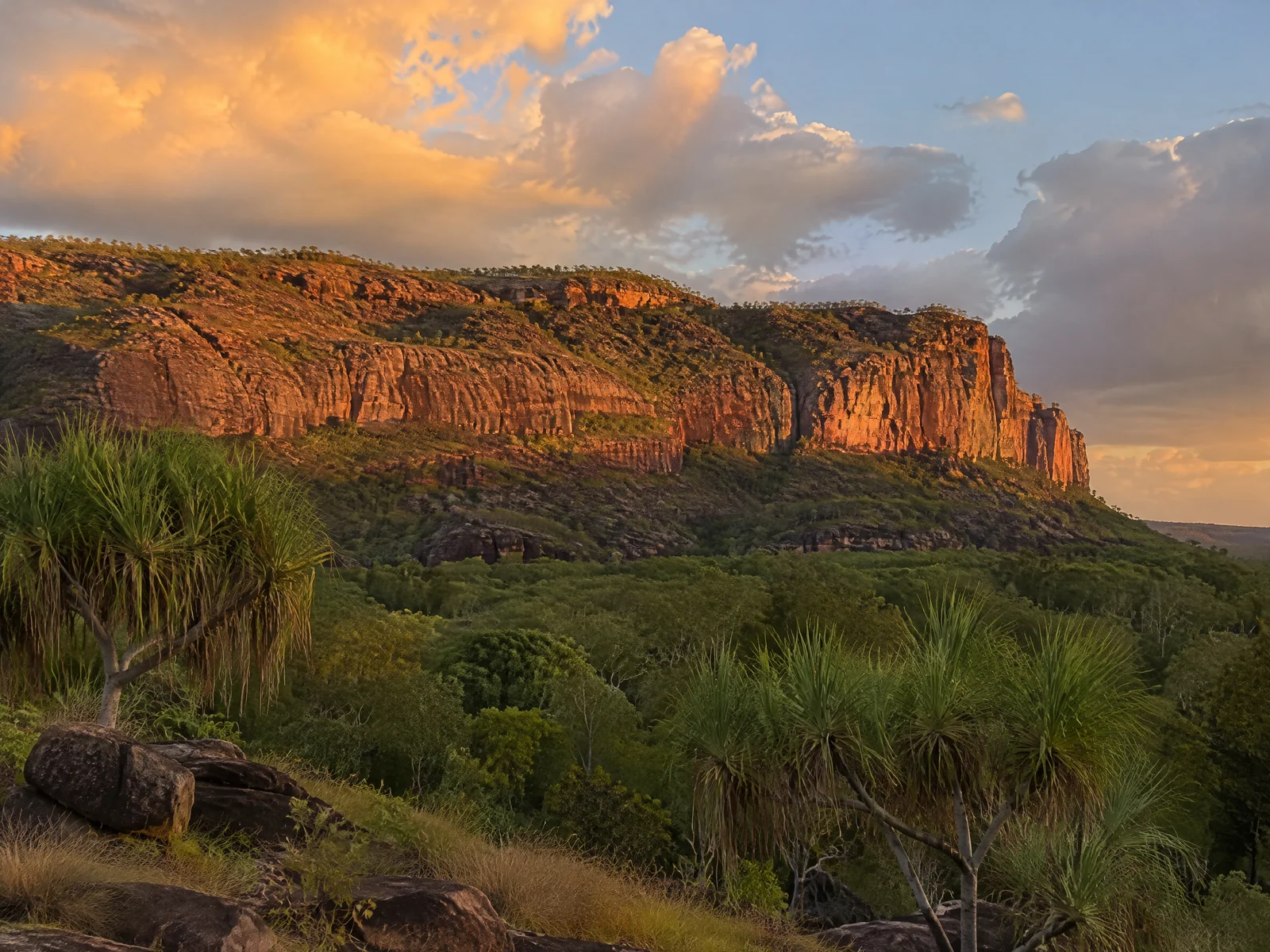
Illustration: The Arnhem Land escarpment defines Kakadu’s stone country — a landscape that changes hour by hour with the NT light.
Packing Checklist for Kakadu
| Category | What to Bring | Notes |
|---|---|---|
| Safety | PLB, UHF CB radio, first aid with snake bandages | Mobile coverage patchy outside Jabiru; inReach satellite recommended |
| Croc awareness | Croc safety card (Parks Australia), torch for night walks | Do not approach water’s edge after dark |
| Tyres | Two spare tyres, tyre repair kit, 12V compressor | 4WD tracks are rocky and puncture risk is real |
| Water | 40–80 L carrying capacity | No dump points; carry enough for full stay |
| Power | 200+ W solar, 100–200 Ah lithium, DC-DC charger | No powered sites anywhere in the park |
| Grey water | Full grey water containment | Closest dump point is Jabiru, outside the park |
| Fuel | Diesel or petrol in Jabiru or Cooinda | No fuel between Cooinda and Pine Creek (180+ km) |
| Insect protection | DEET-rated repellent, head net, long sleeves at dusk | Sandflies and mosquitoes after rain |
| Wet season gear | Dry bags, waterproof covers | If visiting Oct–Nov: electrical storms arrive suddenly |
| Navigation | Downloaded Hema Explorer maps (offline) | Mobile coverage drops outside key hubs |
For a complete pre-departure audit, use our essential checklist before leaving for an adventure and our must-have accessories for off-road adventures.
Suggested 5-Night Kakadu Itinerary (Camper Trailer)
| Night | Campground | Day Activities |
|---|---|---|
| 1 | Merl (East Alligator) | Drive Darwin→Kakadu; afternoon Ubirr rock art + Nadab Lookout sunset |
| 2 | Merl or Malabanjbanjdju | Morning Mamukala Wetlands birdwatching; afternoon Nourlangie rock art (Burrungkuy) |
| 3 | Mardugal (Cooinda) | Full-day Yellow Water cruise (dawn); afternoon rest + South Alligator floodplain drive |
| 4 | Gunlom or Maguk | Early start for 4WD track; Gunlom plunge pool + waterfall lookout; camp overnight (check conditions) |
| 5 | Mardugal | Drive back via Kakadu Highway; Warradjan Aboriginal Cultural Centre; depart to Darwin |
Adjust for closures and road conditions. A 7-day loop adds time for the Jim Jim/Twin Falls area if that access is restored, plus the Arnhem Land escarpment drive.
Frequently Asked Questions
Do I need a 4WD to camp in Kakadu? No. The major campgrounds — Mardugal, Merl, Sandy Billabong, Malabanjbanjdju, and Djarradjin — are all on sealed roads and suitable for 2WD tow vehicles. You need a 4WD only to access Gunlom, Maguk, and the currently-closed Jim Jim/Twin Falls area.
Are caravans allowed in Kakadu? On sealed roads, yes. Caravans are prohibited on the 4WD tracks to Gunlom and Maguk, and are not recommended for any unsealed section. Camper trailers have better access because of their shorter overall length and lower clearance needs.
Is Kakadu safe to visit in October 2026? Yes, but it is the hottest and most unpredictable month of the year in the Top End. The late-dry season brings extreme heat (35–42°C), the first electrical storms, and rapidly changing conditions. The park pass discount is still in effect (until 31 October), and most sealed campgrounds remain open. Allow more time between activities and avoid midday heat exertion.
What is the cheapest way to camp in Kakadu? Bush campsites cost $6 per adult per night. You still need a Park Pass ($25/adult at reduced pricing, $40/adult standard). A couple on unmanaged bush sites pays approximately $62 per night (2 × $6 camping + 2 × $25 park pass, one-day pass) — or less with a multi-day pass. Managed campgrounds are $15 per adult, which gives you hot showers and flush toilets.
How long should I allow for a Kakadu camper trailer trip? Five to seven nights gives you time to see the key sites without rushing — Ubirr and Nourlangie rock art, Yellow Water cruise, a 4WD excursion to either Gunlom or Maguk, and the floodplains. Less than three nights means you will miss either the 4WD sites or the bird-rich east of the park.
Can I bring my dog to Kakadu? Dogs are not permitted in Kakadu National Park. Parks Australia prohibits all domestic animals from national parks to protect native wildlife. Dogs also face extreme croc, heat, and snake risk in the NT environment.
Recommended Reading
- Best Camping Spots in the Northern Territory — 18 campgrounds across Darwin, Litchfield, Katherine, and the Red Centre
- Top 20 National Parks to Visit with a Camper Trailer Australia — All states and territories covered
- Gibb River Road With a Camper Trailer — The other great NT/WA 4WD adventure
- The Big Lap Around Australia Preparation Guide — Full planning guide if Kakadu is part of a national lap
- Off-Road Teardrop Camper Australia Guide — How hard-shell teardrops handle 4WD terrain
Ready to book a Breath Trailer for Kakadu? Compare the four models or book a consultation to find out which one suits your trip.